41 screens, $1.6 million each, and no rival willing to compete
The Odyssey’s Imax 70mm run hit $66 million on 41 screens, extended for an 11th week.
By The Weekend · · 4 min read
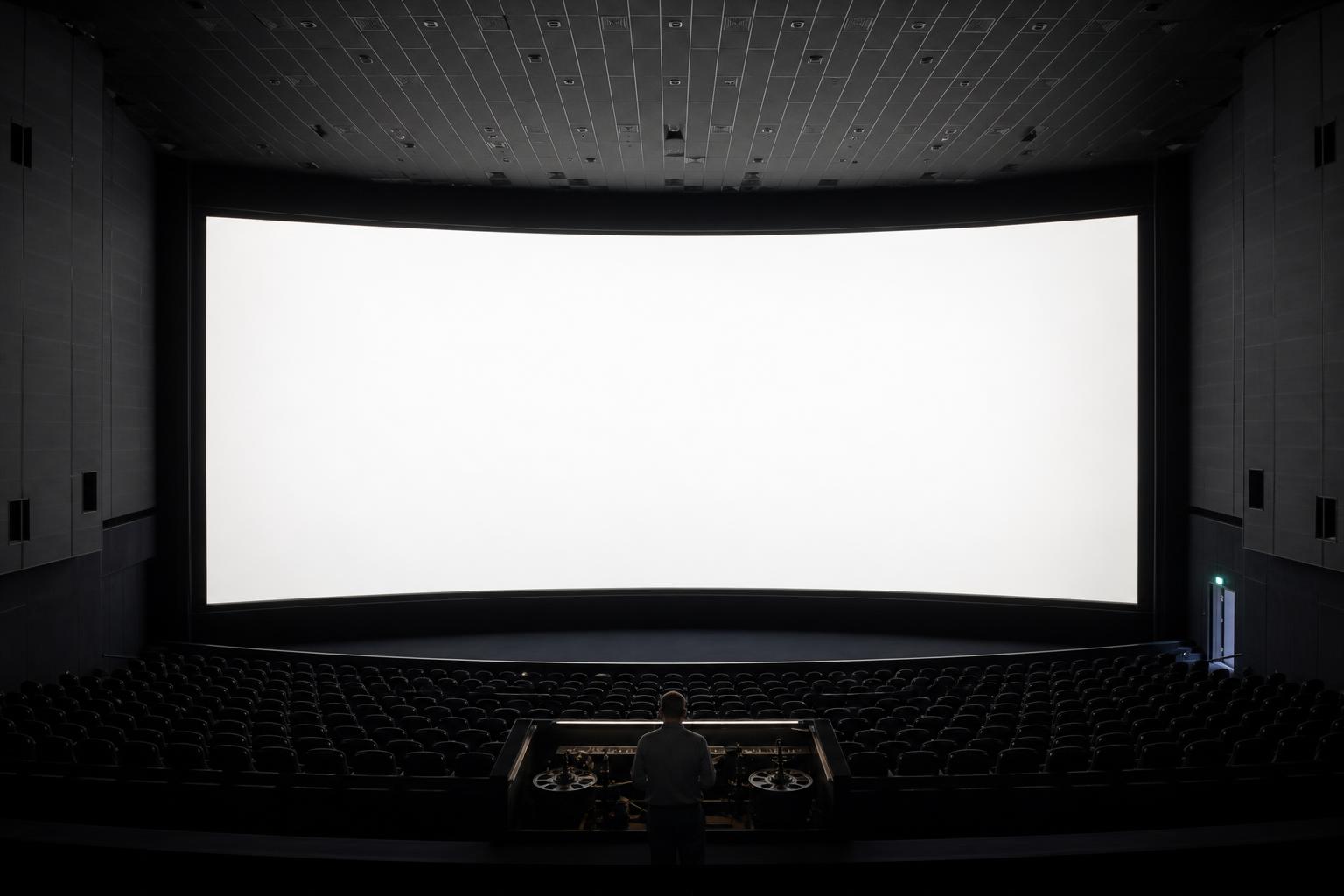
"The Odyssey" has made $66 million on just 41 Imax 70mm screens worldwide — a $1.6 million average per location that no other release this year comes close to touching. Imax has extended its 70mm run through September 30, an eleventh week, because demand hasn't dropped enough to justify pulling the format.
The number that matters isn't the $1.55 billion global total, impressive as that is. It's the per-screen math on a format that exists in only 41 rooms on Earth. Most blockbusters get a per-screen average in the thousands of dollars over a full run. "The Odyssey" is pulling in the seven figures, on a format that costs theaters money to maintain and costs Imax years to install. When a distributor extends a release on the rarest screens in the business rather than the ordinary ones, that's the studio and the exhibitor agreeing the scarce inventory is worth more than the wide one.
An 11-week run is not a scheduling accident
Theatrical windows have collapsed over the past decade — most wide releases clear out of multiplexes within four to six weeks to make room for the next title and the next streaming date. Imax 70mm runs on the opposite logic: there are only 41 of these screens in the world, they can't be duplicated on short notice, and pulling a hit film from them to make way for something smaller is a bet exhibitors rarely take. Christopher Nolan's own back catalog set the precedent — "Oppenheimer" and "Tenet" both got extended 70mm holds — but none matched this pace. Avatar's $271 million Imax record, set in 2009 and unadjusted for inflation, held for sixteen years. "The Odyssey" beat it by $186 million and is still running.
The film's Imax dominance traces to a production choice, not a marketing one. It's the first feature shot entirely on Imax's 15/65mm cameras, including a new model named "The Keighley" after the format's late chief quality officer. Those cameras capture close to ten times the resolution of standard 35mm film. Cinematographer Hoyte van Hoytema and Nolan used 2.1 million feet of film during the shoot — a distance longer than Toronto to New York. That's not trivia; it's the reason the 70mm presentation looks meaningfully different from the digital one, which is what gives ticket buyers a reason to seek out one of 41 rooms rather than the multiplex ten minutes away.
The catch: scarcity is also the ceiling
The same rarity that makes the per-screen average so striking also caps what the format can ever earn. Forty-one screens, run continuously for eleven weeks, will always top out lower than a wide release on 4,000 screens for four weeks — the $66 million in 70mm ticket sales is roughly 4 percent of the film's worldwide total, even though it's the headline number every trade outlet leads with. Imax's overall footprint, including standard digital laser screens, accounts for the other $391 million of the format's $457 million haul. The 70mm figure is a prestige metric, not the engine of the film's box office. Nolan's insistence on shooting for a format almost nobody can screen it in is a statement about image quality, not a distribution strategy that could scale to a normal release calendar.
Who actually profits from an extended 70mm run
Imax collects a premium on ticket price and a service fee from exhibitors regardless of format, so extending the release costs it little and burnishes its brand as the place serious cinephiles go. For the handful of theaters that operate 70mm projectors — a costlier, more labor-intensive setup than digital — the extension means eleven straight weeks of near-guaranteed sellouts, a rare position for any exhibitor in 2026. Universal, which distributed the film, gets to keep citing "highest-grossing Imax release of all time" in every subsequent marketing push, a claim now durable enough to outlast this awards season. Nobody in that chain loses money by holding the screens; the only cost is the opportunity cost of not booking something else, and right now nothing else is generating $1.6 million a screen.
What the run doesn't tell you
The open question is whether 70mm-format filmmaking becomes a recurring commercial strategy or stays a one-off tied to Nolan's specific relationship with Imax. Only 41 screens exist because building more is expensive and slow — Imax has been growing that network gradually for over a decade, and there's no announced acceleration tied to this film's numbers. If the format's economics only work at blockbuster scale with a filmmaker willing to shoot on 65mm film cameras for three hours of runtime, then "The Odyssey" may end up as a peak rather than a template. The film industry has been here before with 3D and then with 4DX: a format spikes with one hit, exhibitors rush to install more screens, and the next five films in the format underperform because the novelty, not the fit, drove the first number.
How many Imax 70mm screens exist worldwide? Forty-one, spread across a mix of countries, making it one of the rarest theatrical formats still in commercial use.
Is "The Odyssey" still in regular theaters too? Yes — the 70mm extension covers only the specialty format; the film continues in standard digital and Imax laser presentations as well.