40 years to break even on a house, in three US cities
In Detroit, San Jose and parts of Texas, renting and investing beats owning for four decades.
By The Ledger · · 5 min read
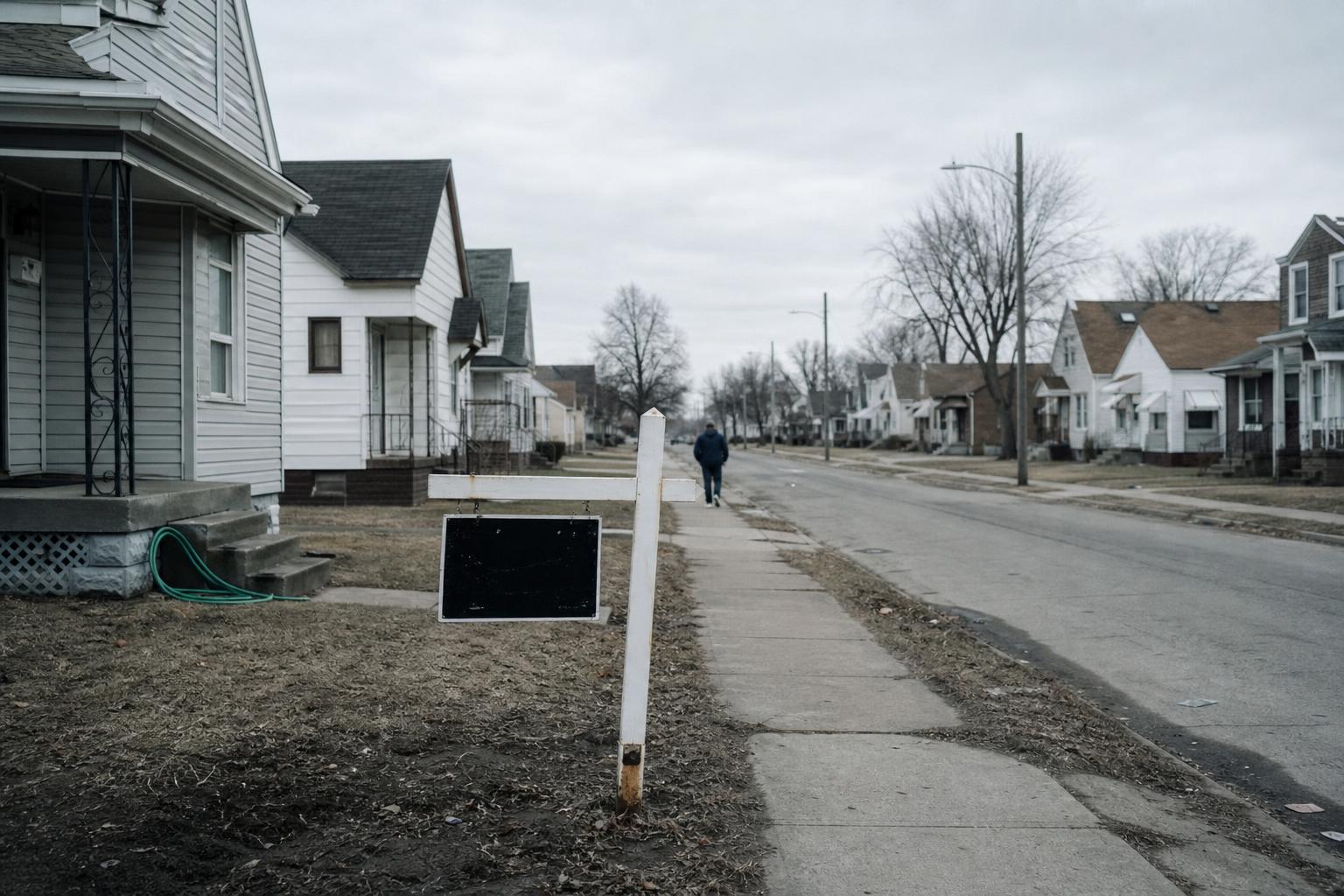
In Detroit, buying a median-priced home takes roughly 44 years to outperform renting and investing the difference. In San Jose, the break-even point stretches past 49 years. Most 30-year mortgages don't survive long enough to prove the bet was right.
The figure comes from a break-even analysis run by researchers cited in MarketWatch's homeownership coverage, comparing two paths: buying a home with a standard down payment, or renting an equivalent unit and investing the cash that buying would have consumed — the down payment, closing costs, and the monthly gap between a mortgage payment and rent. The model tracks both paths until the homeowner's net worth overtakes the renter-investor's. In roughly a third of the metro areas studied, that crossover takes longer than 30 years.
The 44 years is real, but it assumes the renter actually invests
The break-even number looks damning until you isolate the variable doing the work: the assumption that every dollar saved by renting gets invested at market returns, not spent. The analysis typically uses a stock-market return around 7% annually, after inflation. Drop that to 4% — closer to a conservative bond portfolio — and the break-even window in expensive coastal metros shortens by a decade or more, because the renter's advantage was never guaranteed to compound.
Homeownership's return isn't just price appreciation. It's forced savings. A mortgage payment builds equity whether or not the owner is disciplined. A renter who pockets the difference and spends it at a bar instead of a brokerage account gets none of the 44-year framework's benefit. The model is honest about this: it's comparing buying to renting-and-investing, not buying to renting-and-spending. Most renters, in practice, are the latter.
Why Detroit and San Jose land at opposite extremes for the same reason
Detroit's long break-even isn't about a weak housing market — it's about a cheap one. Median home prices near $70,000 to $90,000 in parts of the metro mean the dollar gap between renting and owning is small. There's little advantage to compound, so the renter-investor's modest gains take decades to catch up to an equity position that was cheap to build in the first place. Slow-and-low beats slow-and-low very, very slowly.
San Jose is the opposite mechanism producing the same result. Median home prices above $1.5 million mean the down payment and carrying costs are enormous — often $300,000 or more upfront. That's a large sum for a renter-investor to deploy into the market instead. At a 7% real return, $300,000 compounds into serious money over 30 years. The home has to appreciate substantially just to keep pace, and Bay Area price growth, while historically strong, has been volatile enough that the math doesn't clear until year 49 in the base case.
The counter-argument: nobody buys a house as a spreadsheet exercise
The strongest objection to the break-even framework is that it treats a home as a financial instrument, when for most buyers it's closer to a forced-consumption decision with investment upside attached. A renter doesn't get to lock in payment stability for 30 years. A landlord can raise rent annually; a fixed-rate mortgage cannot be raised by anyone. That insurance against future rent inflation has value the break-even model captures only indirectly, through the "invest the difference" line — and only if that difference stays roughly flat, which rent rarely does.
There's also the matter of leverage. A buyer who puts 10% down on a $400,000 home controls a $400,000 asset with $40,000 of their own capital. If that home appreciates 3% a year — below the national average in most of the past decade — the buyer's return on their actual cash outlay is far higher than 3%, before subtracting interest and maintenance. The break-even model accounts for this, but the framing as "years to break even" undersells how leveraged gains compound faster than they first appear, especially in the first decade of a mortgage when principal paydown is slow but price appreciation, if it happens, applies to the full asset value.
None of this erases the finding. It just means the 44-year and 49-year figures describe a specific bet — home price growth roughly tracking historical metro averages, mortgage rates near recent levels, and a disciplined renter-investor — not a universal law. Change any one input and the number moves substantially. That's not a flaw in the analysis. It's the honest output of a model with several live variables, none of which the buyer controls.
What the constraint nobody prices in actually costs
The variable that gets least attention in these comparisons is moving. The break-even clock resets to zero the moment a homeowner sells and buys again, because transaction costs — typically 8% to 10% of the sale price between agent commissions, closing costs, and moving expenses — eat directly into the equity that took years to build. A buyer who moves every seven years, which is close to the US median tenure before a sale, may never reach break-even in a 44-year market, full stop. The renter-investor, by contrast, faces no transaction penalty for relocating. This is why the metros with the longest break-even windows are disproportionately places with either very high transaction costs relative to price (expensive coastal markets) or very low price appreciation relative to the mortgage rate environment (slower Rust Belt and some Midwest markets). Mortgage rates near 6.5% to 7% in 2024 and 2025, according to Freddie Mac data, raise the bar further: the renter-investor's opportunity cost of not buying is lower when the mortgage itself is expensive to service.
The number that matters next isn't the break-even year. It's the mortgage rate at the point of purchase, because it sets the size of the gap the renter-investor is trying to out-invest. Every percentage point added to a 30-year rate widens that gap for the life of the loan. The buyer bears the rate. The renter bears the risk of never opening a brokerage account at all.