China’s home prices fell 22%. Japan’s fell 67%
S&P says China’s property slump may bottom by 2028, after prices fell 22% since the 2021 peak
By The Ledger · · 4 min read
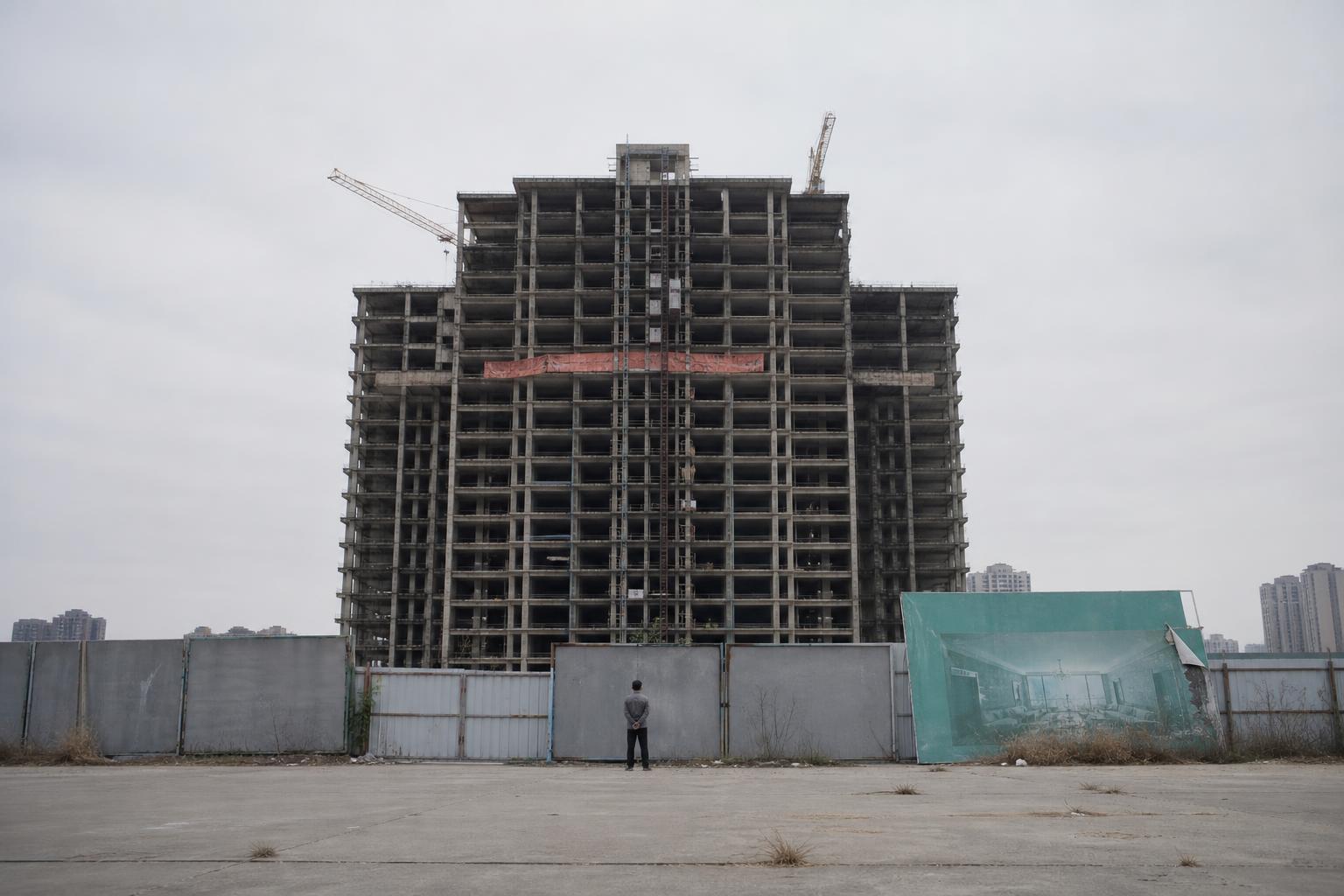
China's residential prices have dropped 22% since their 2021 peak. S&P Global Ratings now says the bottom could arrive in the third quarter of 2028, with recovery starting as soon as next year in Beijing and Shanghai. Japan's comparable crash cost 67%. The difference, S&P argues, is how fast each country let supply shrink.
The number that moves this story is not a price. It is a policy date: August 2026, when Beijing restricted developers from selling unfinished apartments. A month later, Premier Li Qiang announced measures to stabilize the sector, followed by a mortgage subsidy for first-time buyers purchasing units under 1.5 million yuan, about $220,000, and smaller than 1,292 square feet. S&P credit analyst Edward Chan says those two moves, taken together, explain why his firm's outlook flipped from February, when it called recovery "out of reach."
A buyer in Hangzhou gets a 1.4% answer in Beijing
Beijing's existing home prices have risen 1.4% from their January low, according to Guotai Junan International's chief economist Hao Zhou. Shanghai's year-on-year decline has narrowed. Hangzhou, home to DeepSeek and Alibaba, posted a record high on its new-home sales index, with prices just 14.2% below peak. Zhou calls the next three months, through November 2026, a "key window": if Shanghai, Shenzhen and Guangzhou avoid a monthly decline across that stretch, the rebound outlasts the false starts of 2023 and 2024.
That is the mechanism in miniature. Tier-one cities are moving first and faster than smaller ones, because they had less unsold inventory to clear. For a household there, it means a mortgage subsidy capped at a fairly modest price point, and a housing ladder that has started, cautiously, to hold still instead of slipping.
The debt-fueled presale model built a $220,000 subsidy out of its own wreckage
China's housing boom ran on presales: developers like Evergrande and Country Garden sold apartments years before building them, using buyer deposits to fund construction and new land purchases. Nomura estimated in 2023 that the stock of unfinished, pre-sold homes in China was roughly 20 times the size of Country Garden's book, as of end-2022. Country Garden was once the largest non-state-owned developer in the country by sales. When credit tightened and buyers stopped trusting completion dates, the model seized.
What followed was a four-year hangover measured in empty towers and stalled projects, not unlike Japan's 1991-to-2014 slump, except China's prices fell less, 22% against Japan's 67%, and S&P now says its supply contraction is "occurring much earlier and with greater magnitude" than Japan's did. The U.S. subprime crash, by comparison, took residential prices down 26%. China's decline sits between the two, and its government has moved to cut new supply faster than either precedent did at a similar stage.
The catch: less land bought means less revenue, not more stability for developers
Chan's own framing carries the catch. "Developers will now be very cautious in buying land, so they will basically buy less land and develop less new projects going forward," he told reporters. "That may not be good for the revenue, but that will help China's oversupplied property market." Supply destocking and developer revenue move in opposite directions. The policy that stabilizes prices for buyers is the same policy that shrinks the business developers were built to run. 2026 is, by S&P's own account, the first year of real inventory destocking since the crisis began — meaning builders have spent years selling into a market that kept getting larger, not smaller.
There is a second quiet subsidy in this recovery: the artificial intelligence boom. S&P's report names "wealth effects from the AI boom" as a factor lifting property demand, alongside the mortgage subsidy. That links China's housing bottom to a stock rally concentrated in a small number of tech and chip names, a source of demand with no guaranteed durability of its own.
Who still owns the units nobody finished building
The open question S&P does not resolve is what happens to the pre-sold, unfinished stock already on developers' books, the inventory Nomura sized at 20 times Country Garden in 2022. Reducing new land purchases stops the problem from growing. It does not complete the apartments already sold to buyers in cities like Tianjin, some of whom have waited years past their promised delivery date. A price bottom in tier-one cities does not, by itself, answer what compensates those households, or who absorbs the loss if some of that unfinished stock is never built out.
Is now a good time to buy property in China? Tier-one cities like Beijing and Shanghai show early stabilization; smaller cities with heavier unsold inventory remain in decline, so location inside China matters more than the national headline.
Why did S&P change its forecast from February 2026? Two new policies, an August restriction on presales of unfinished units and a September mortgage subsidy, shifted its view from "recovery out of reach" to a 2028 bottom.