A film Shudder owned for a week sold for $10 million
Universal and Blumhouse paid over $10 million for “River,” outbidding Sony and Netflix after one festival screening.
By The Weekend · · 5 min read
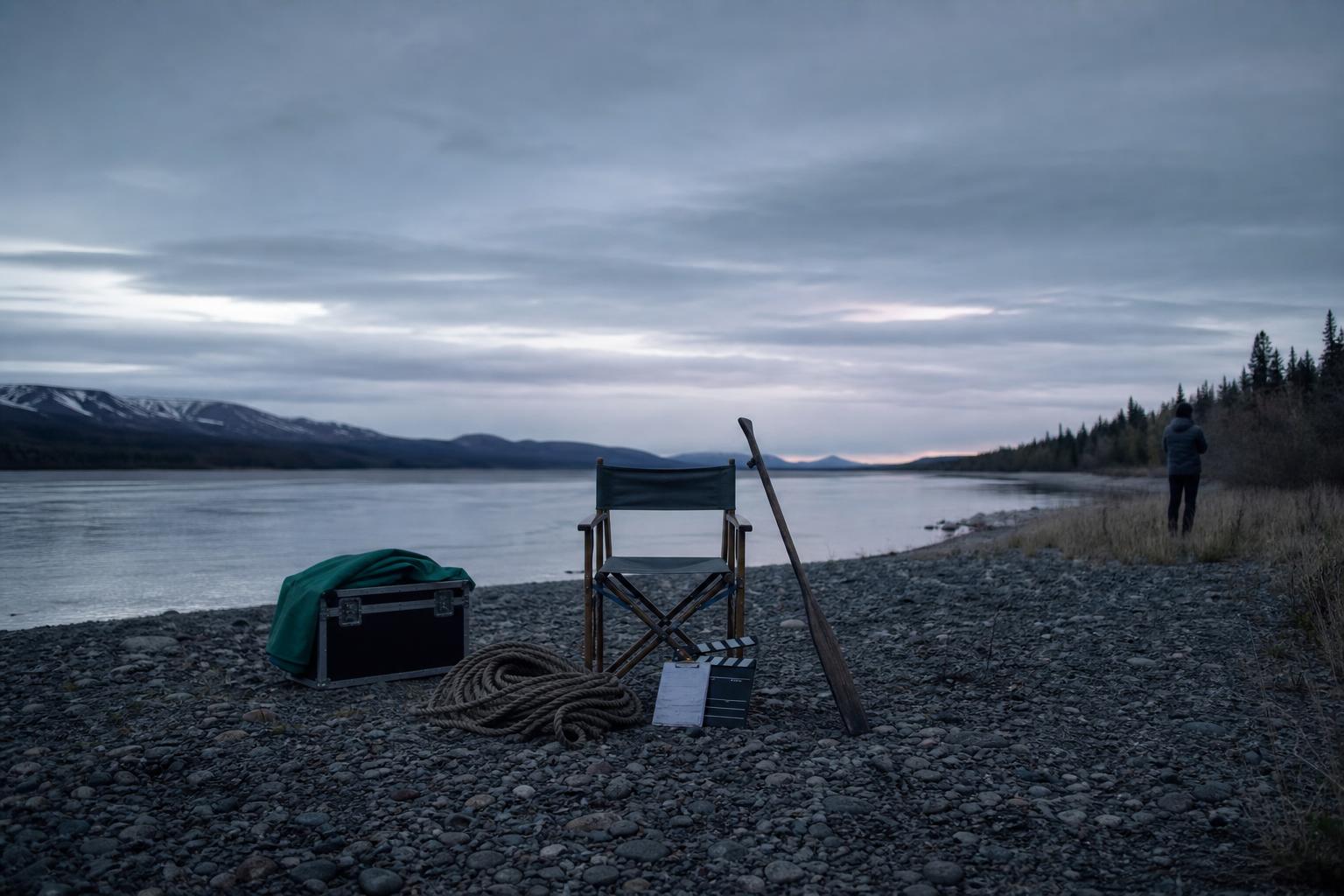
“River” premiered at the Toronto International Film Festival as a Shudder original — the streaming horror label’s first-ever production. Nine days later, it belonged to Universal Pictures and Blumhouse Atomic Monster, who paid more than $10 million to pull it off the service entirely and put it in theaters on January 15, 2027. The film never aired a single episode of marketing as a streaming title. It just got bought out from under its own release plan.
A streaming exclusive became a theatrical release before anyone outside Toronto saw it
The mechanics here are unusual enough to be worth stating plainly. Independent Film Company and Shudder produced “River” to be Shudder’s first original production — a slasher about three estranged siblings who return home after their father’s death, trek to his favorite spot on a remote river to scatter his ashes, and find themselves stalked by a killer instead. It had a cast with genre credibility: Jane Levy from the “Evil Dead” reboot, Jessica Rothe from “Happy Death Day,” Dane DiLiegro from “Prey.” It had a streaming home already lined up. Then it screened at Midnight Madness, picked up a 94% critics score on Rotten Tomatoes, and the deal collapsed into a bidding war within days.
Universal and Blumhouse Atomic Monster won it for more than $10 million — a figure that, for context, sits well above what most films sell for out of a festival midnight slot, where buyers are usually betting on a few hundred thousand in acquisition cost against a limited theatrical run. This was never that kind of deal. Sony Pictures and Netflix were both in the running and lost. The film that was supposed to premiere quietly on a subscription service next year is now opening on MLK weekend against two other wide releases.
Shudder loses its first original the week it debuted
The clearest casualty in this story is Shudder itself. The genre streaming label, part of AMC Networks, spent money developing and producing “River” specifically to launch its original-production ambitions — the kind of prestige-genre credibility that AMC has watched Blumhouse and A24 build over the past decade. Scott Shooman, head of IFC Entertainment Group, called the reception “enormously gratifying” in a statement, which is the diplomatic way of saying the company built something good enough that a bigger studio took it away before Shudder subscribers ever got to watch it.
Shudder isn’t walking away with nothing — a sale at this size means a real payday for IFC and the label, and the statement frames the whole episode as proof of concept rather than a loss. But the asset that was meant to anchor Shudder’s claim as a production house, not just a licensing platform, is now a Universal theatrical release with Blumhouse’s name above the title. The next horror filmmaker weighing a Shudder deal now has a data point: if the festival reception is strong enough, your film may not stay on Shudder regardless of what the contract originally said.
The real buyer wasn’t really bidding on this film — it was bidding on the next one
Here is the detail that explains the $10 million figure, and it has nothing to do with “River’s” box office prospects. Joshua Giuliano, who wrote and directed “River,” was already under contract with Blumhouse Atomic Monster and Focus Features for his next film, “Occupant,” a deal signed before “River” even premiered. Sam Zimmerman, Blumhouse Atomic Monster’s genre indie executive, had worked with Giuliano directly during his time at Shudder — meaning the company buying “River” had a preexisting relationship with its director and a financial stake in his career trajectory regardless of what happened to this specific title.
That reframes the acquisition price. Paying eight figures for a slasher film with no theatrical comparables yet established is a bet on one movie. Paying it to secure the goodwill, leverage and continuity of your relationship with a filmmaker you've already committed to for his next project is a different kind of spending — closer to a retention bonus than a box-office wager. Sony and Netflix were bidding on “River” as a standalone asset. Universal and Blumhouse were bidding on not losing Giuliano's confidence three months before his next film goes into production.
January 15 is now a four-way pile-up, and “River” is the smallest title in it
The release date itself tells its own story. Universal already held this MLK weekend slot for an unnamed Blumhouse title before “River” existed as an acquisition target — the studio needed a horror entry for its January genre slate, and “River” filled a hole rather than created a new one. But the date is getting crowded fast: Paramount's “Children of Blood and Bone” (Gina Prince-Bythewood's YA adaptation), Amazon MGM/Miramax's “The Beekeeper 2” starring Jason Statham, and Angel Studios' “Fing!” are all circling the same weekend.
That's three other wide releases competing for the same long weekend audience, at least two of them backed by larger marketing budgets and preexisting franchise recognition. “Children of Blood and Bone” has a bestselling YA novel behind it; “The Beekeeper 2” has an established action franchise and a recognizable lead. “River” has a 94% critics score and a cast of rising genre actors nobody outside horror circles will recognize by name. The reviews are a genuine asset — Blumhouse has built its entire low-budget-high-return model on exactly this kind of reception translating into opening-weekend turnout, as it did earlier this year with “Backrooms” and “Obsession,” both from filmmakers in their twenties working with minimal name recognition.
What happens next is testable in the most literal sense: on January 16, 2027, there will be a number. If “River” opens strong against three bigger-budget competitors, the acquisition price looks like a correctly priced bet on critical buzz translating directly into box office — the thing Blumhouse has proven it can do repeatedly at low cost. If it gets buried in a crowded weekend, the $10 million becomes primarily explainable as the cost of keeping one director happy ahead of his next film, with the theatrical release as a secondary concern. Either reading is available now. Only one of them survives January.