A production house closed. The reason is a balance sheet
A Los Angeles production company shut down this month, citing an industry contraction the trade data has been showing for two years.
By The Weekend · · 5 min read
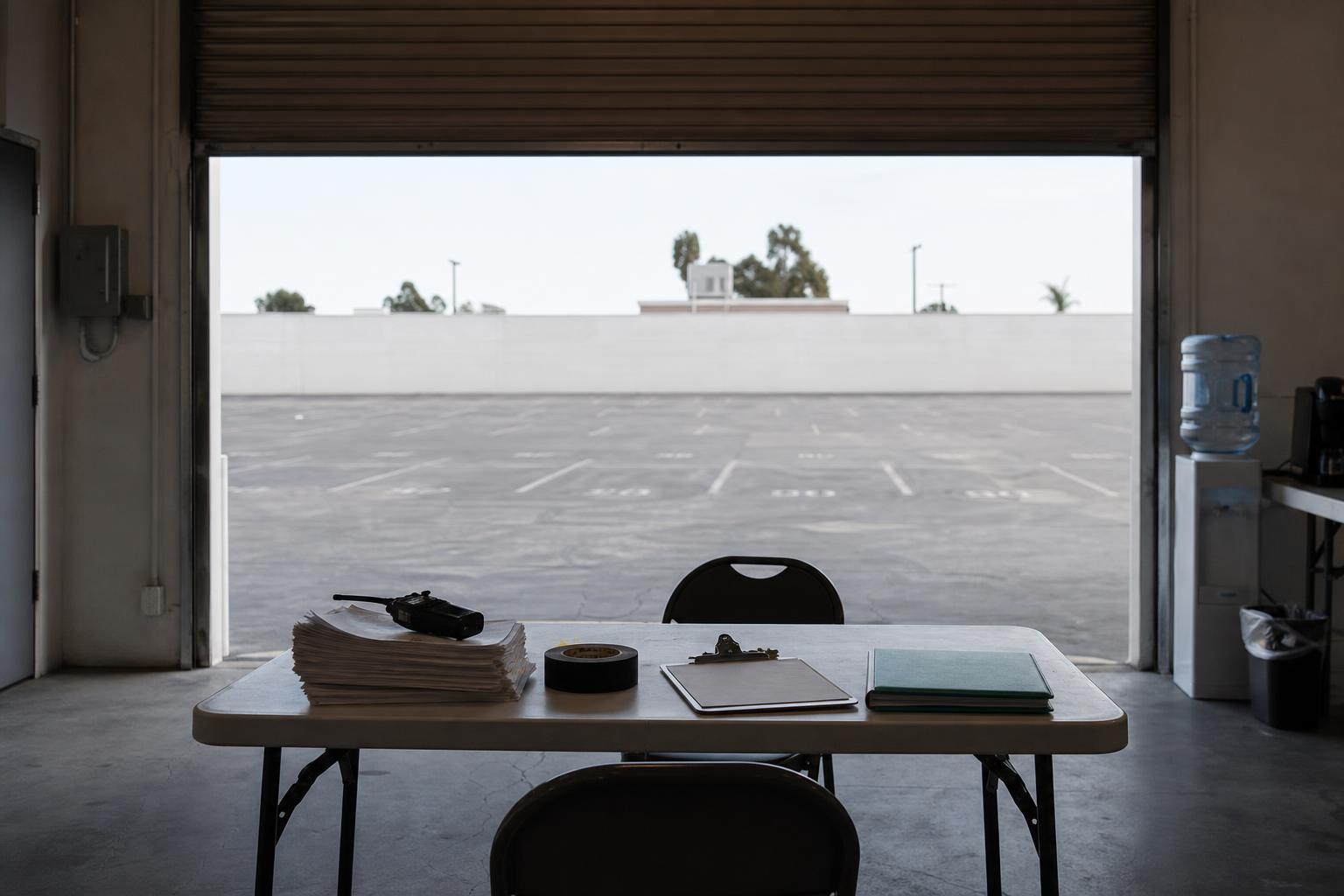
A Hollywood production house closed its doors this month, and its founders gave a reason worth taking literally: the entertainment industry itself, not one bad slate or one lost deal, no longer supports the business they built. That claim is checkable. The trade numbers back it up, and they explain why a shutdown like this one is now a category, not an anecdote.
What actually happened
The closure follows a pattern visible across the sector for two straight years: scripted television production in Los Angeles ran 30% below its 2016-2019 average through 2024, according to FilmLA's regional tracking, the closest thing the industry has to an independent production census. That is not a slow quarter. That is a market that shrank by roughly a third and stayed there.
The proximate causes are familiar by now — the 2023 writers' and actors' strikes froze production for months, streamers pulled back after years of subsidized overspending, and advertisers cut upfront commitments as viewing fragmented. What's less familiar is what happened after the strikes ended: production didn't recover. Buyers stayed cautious, greenlights slowed, and mid-sized production companies — the ones that depend on a steady cadence of one or two shows a year, not a owned platform to fall back on — ran out of runway.
This is the same contraction that shows up in a separate but related dispute making its way toward regulators: a proposed merger in the entertainment sector that National Review and others have framed as a jobs question. The argument for blocking mergers is that consolidation costs jobs. The counterargument, backed by the production data, is that jobs are already being lost to a shrinking commissioning pipeline, with or without the merger — and that scale is what lets a combined company keep financing content at all.
Who pays, who gains
Below-the-line crew absorb the closure first and hardest. FilmLA estimated roughly 17,000 industry-adjacent jobs in the LA basin were tied to production volume that no longer exists at 2019 levels — camera operators, set builders, costume and hair departments, caterers, transport crews. These are hourly, project-based roles with no severance structure built for a shrinking industry; when a production house closes, its slate goes with it, and so do the crew contracts attached to that slate.
Independent producers without a studio or streamer parent pay next, structurally. A production company that greenlit two shows a year on studio-adjacent financing needed roughly 18-24 months of pipeline visibility to plan staffing and development slates. With streamers now greenlighting fewer originals — Ampere Analysis counted a 17% drop in new scripted orders across major U.S. streamers in 2024 versus 2022 — that visibility window collapsed, and companies without reserves to bridge the gap folded.
Who gains: consolidated studios with owned distribution. A vertically integrated player that controls both production financing and a streaming platform doesn't need external buyers to greenlight a show, which is precisely the argument for the merger under regulatory review — scale as a hedge against a smaller total market, not a growth bet on a bigger one.
The mechanism
The engine here is straightforward and often skipped in coverage that treats each closure as its own story. Streaming originals were financed for years on a model that assumed subscriber growth would keep paying for content spend regardless of whether any individual show was profitable. That model broke once subscriber growth slowed in developed markets — Netflix's own reporting shows US and Canada subscriber additions falling from double digits annually pre-2020 to low single digits by 2023 — and content budgets got reset to match actual revenue rather than growth projections.
Independent production houses were built to serve the old model: they took development risk on the promise that a large buyer pool — a half-dozen streamers all competing for content — would keep bidding. When that buyer pool consolidates its ordering (fewer, bigger bets instead of many mid-budget ones, a strategy Warner Bros. Discovery and others have stated explicitly since 2023) the mid-tier producer loses its market, not because its work got worse, but because the number of buyers for that specific size of project shrank faster than the producer could restructure.
This is also why the merger fight and the production-house closures are the same story told from two ends. Consolidation concentrates buying power into fewer hands, which is bad for producers as a class but may be the only financing structure that survives at the industry's current, smaller commissioning volume. National Review's framing — that blocking the merger risks more job losses than allowing it — depends on whether a shrunk industry needs fewer, larger buyers to remain viable at all, a claim the FilmLA production data makes plausible even if it doesn't settle the antitrust question.
What happens next
Watch two numbers, not headlines. First, FilmLA's quarterly production tracking — if scripted television volume stays flat or falls further through 2025, expect more closures among mid-sized independents, concentrated among companies that don't have a first-look deal with a major studio. Second, the merger review's outcome: if regulators block the deal on jobs grounds while production volume keeps shrinking anyway, that will be a natural test of whether blocking consolidation actually preserves jobs or just preserves fragmented, undercapitalized producers a little longer before they close anyway.
FAQ
Is this specific to one production company, or industry-wide?
Industry-wide. FilmLA's data shows sustained, multi-year contraction in LA-based scripted production, not a single company's misstep. The closure covered in recent reporting is one visible instance of a trend that's been measurable since 2023.
Did the 2023 strikes cause this?
They accelerated it but didn't cause it. Production volume was already softening before the strikes as streamers cut content budgets; the strikes added a multi-month freeze on top of a slowdown already underway, and the recovery afterward has been slower than pre-strike baselines, not faster.
Does industry consolidation help or hurt production jobs?
The honest answer is that it depends on the counterfactual, and nobody has settled it. Consolidation concentrates buying power, which can mean fewer total production slots — bad for jobs directly. But if the total commissioning budget in the industry is shrinking regardless, a merger that lets a combined company keep financing at scale might preserve more jobs than a fragmented market where individual producers run out of capital and close, which is what's happening now.