A snack bar moved vaccination rates more than a vaccine campaign did
A nutritional supplement handed out monthly raised measles vaccination coverage in a trial of thousands of children.
By The Weekend · · 5 min read
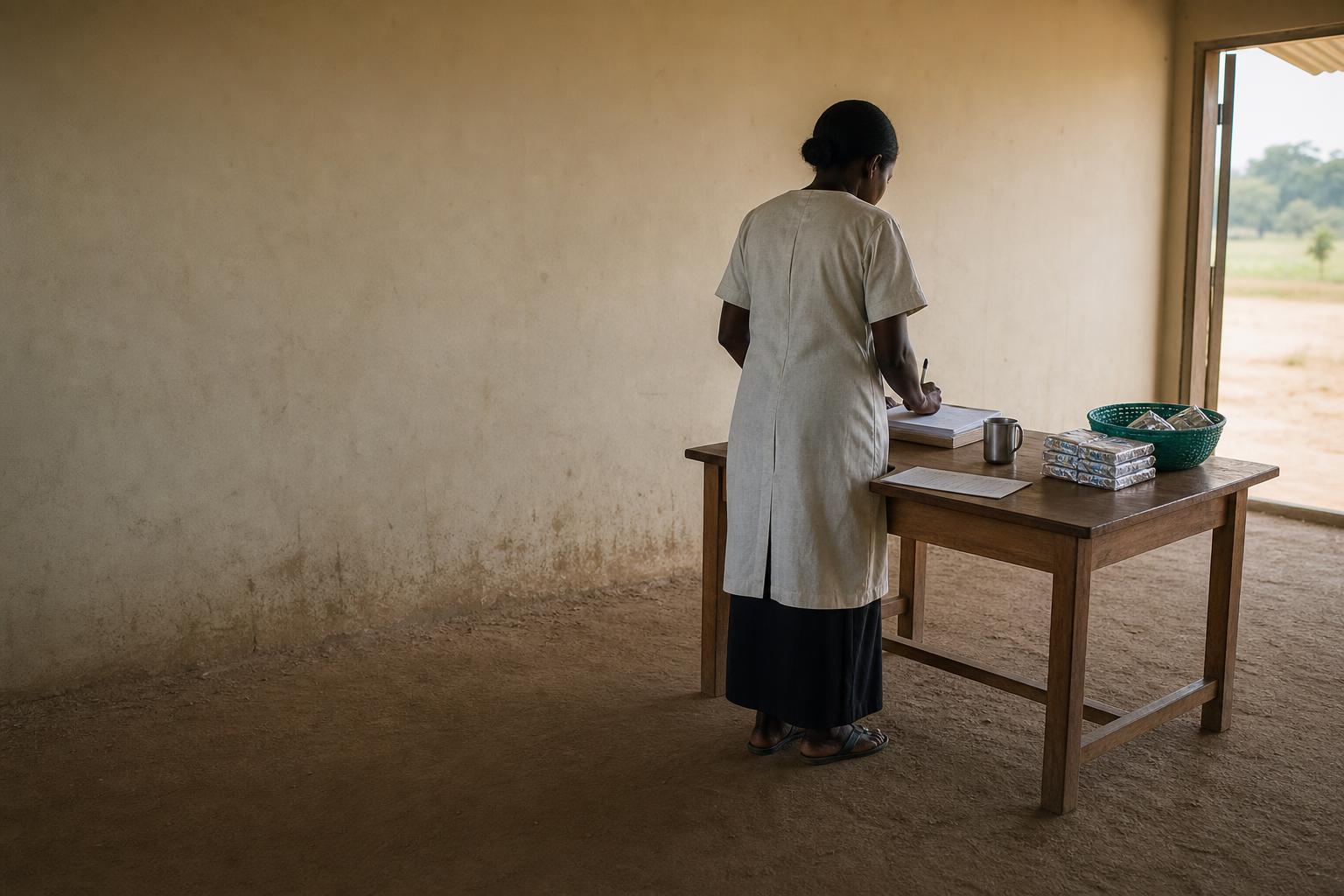
A small foil packet of fortified paste, the kind usually given to fight malnutrition, raised measles vaccination coverage in a pragmatic trial spanning multiple communities. The intervention was not a reminder call, a cash incentive, or a new clinic. It was food, handed out on a schedule that happened to coincide with vaccine visits.
Small-quantity lipid-based nutrient supplements — a paste of oil, milk powder, sugar, and micronutrients, eaten straight from the packet — have circulated in global health programs for over a decade, mostly as a tool against stunting and wasting in children aged 6 to 23 months. This trial tested something adjacent to their usual job: whether routinely giving families that paste, through the same contact points used for immunization, would nudge more children into getting their measles shots. The answer, in this cluster-randomized design, was yes — not because the paste did anything biological to the immune system's receptiveness to vaccines, but because it gave caregivers a reason to show up, and kept them coming back.
A mother in a supplement arm gets a reason to return that a reminder text never gave her
The mechanism here is almost embarrassingly simple. Vaccination coverage gaps in low-resource settings are rarely about parents refusing vaccines; they are about parents missing the window — a clinic visit skipped because of distance, cost of the trip, or a sick sibling at home. A feeding program that requires a monthly collection point turns an optional errand into a routine one. If that collection point is co-located with immunization services, each pickup becomes an opportunity to check a child's vaccine card and catch a missed dose. The supplement was never the active ingredient against measles. The scheduled contact was.
That distinction matters enormously for what this trial can and cannot claim. It is not evidence that lipid-based nutrient supplements boost immune response to the measles vaccine, and the researchers do not appear to argue that. It is evidence that bundling a food program with an immunization program produces a logistics effect — more structured touchpoints between health systems and families translate into higher completion of the vaccine schedule. Who funded a study like this matters precisely because this distinction is easy to blur in press summaries: lipid-based nutrient supplement research is frequently backed by the same institutions — UN agencies, aid-adjacent foundations — that also run immunization campaigns, and a result showing "nutrition helps vaccination" is a result that serves both budgets at once.
Supplementary feeding started as an emergency ration, not a delivery platform
Small-quantity lipid-based nutrient supplements emerged from famine and refugee-camp nutrition work in the 2000s, designed as a cheaper, more distributable alternative to therapeutic feeding for children who were malnourished but not yet severely so. Early trials, largely in Sub-Saharan Africa and South Asia, focused narrowly on growth outcomes: height-for-age, weight-for-age, reductions in stunting. They worked, modestly — most reviews put the effect on stunting prevalence in the low single digits of percentage points, which sounds small until it is multiplied across a population of millions of children.
What has changed in the past decade is the ambition attached to the delivery mechanism rather than the product itself. Health economists and program designers noticed that any intervention requiring repeat caregiver visits is, structurally, a chance to deliver something else — a vitamin A dose, a deworming tablet, a vaccine check. This trial belongs to that second wave of thinking: it is less about the paste and more about what a paste-shaped excuse to show up can be made to carry. The cluster-randomized design — randomizing by village or health-catchment area rather than by individual child — is itself a tell that researchers were testing a service-delivery model, not a biological treatment.
The catch is that the food has to be funded whether or not it moves vaccination rates
Here is the constraint nobody puts on the poster. Small-quantity lipid-based nutrient supplements are not free to produce or distribute — a child's monthly ration typically costs several dollars to manufacture, transport, and hand out, and programs running at scale commit tens of millions of dollars a year to keep supply chains intact. If the justification for that spending starts to include "and it also raises vaccination coverage," funders get a two-for-one case for a budget line that was already being debated on nutrition grounds alone. That is a legitimate case to make. It is also a convenient one, and it means the same dollar now has to be defended against two different counterfactuals: would vaccination coverage have risen anyway with a dedicated, cheaper reminder system, and would stunting have fallen anyway without the paste, given other nutrition programs running in parallel. The trial as reported answers neither counterfactual cleanly, because the intervention bundles both goals into one packet and one contact schedule.
The honest open question is sequencing and cost. If scheduled contact is what drives vaccination gains, a cheaper intervention — a phone-based appointment system, a community health worker visit, a conditional small cash transfer — might produce the same coverage increase without the manufacturing and logistics cost of a lipid-based paste. Nobody has run that head-to-head comparison in this trial, and until someone does, it is not possible to say whether the nutrition program is the most efficient way to buy a vaccination point, or just the one that happened to be already funded and already on the ground when someone thought to measure its side effects.
Does the supplement itself affect how well the measles vaccine works?
No — the trial measures whether children received the vaccine, not how their immune systems responded to it.
Is this type of supplement given to all malnourished children, or only in trial settings?
It is already used in routine nutrition programs in dozens of low- and middle-income countries, independent of any vaccination link.