Apple builds a few hundred foldables a day, weeks before launch
Nikkei says Apple makes “a few hundred” iPhone Ultras daily, against a normal target of tens of thousands.
By The Signal · · 5 min read
Apple's September 9 event is expected to introduce a foldable phone that Apple can barely make. Nikkei Asia reports the company is currently producing "a few hundred" iPhone Ultra units per day, against a stated production goal of tens of thousands. KeyBanc Capital Markets, meanwhile, is telling investors the same event could push Apple's stock lower — a pattern the firm says has held for five straight years.
The bottleneck is a hinge, not a chip
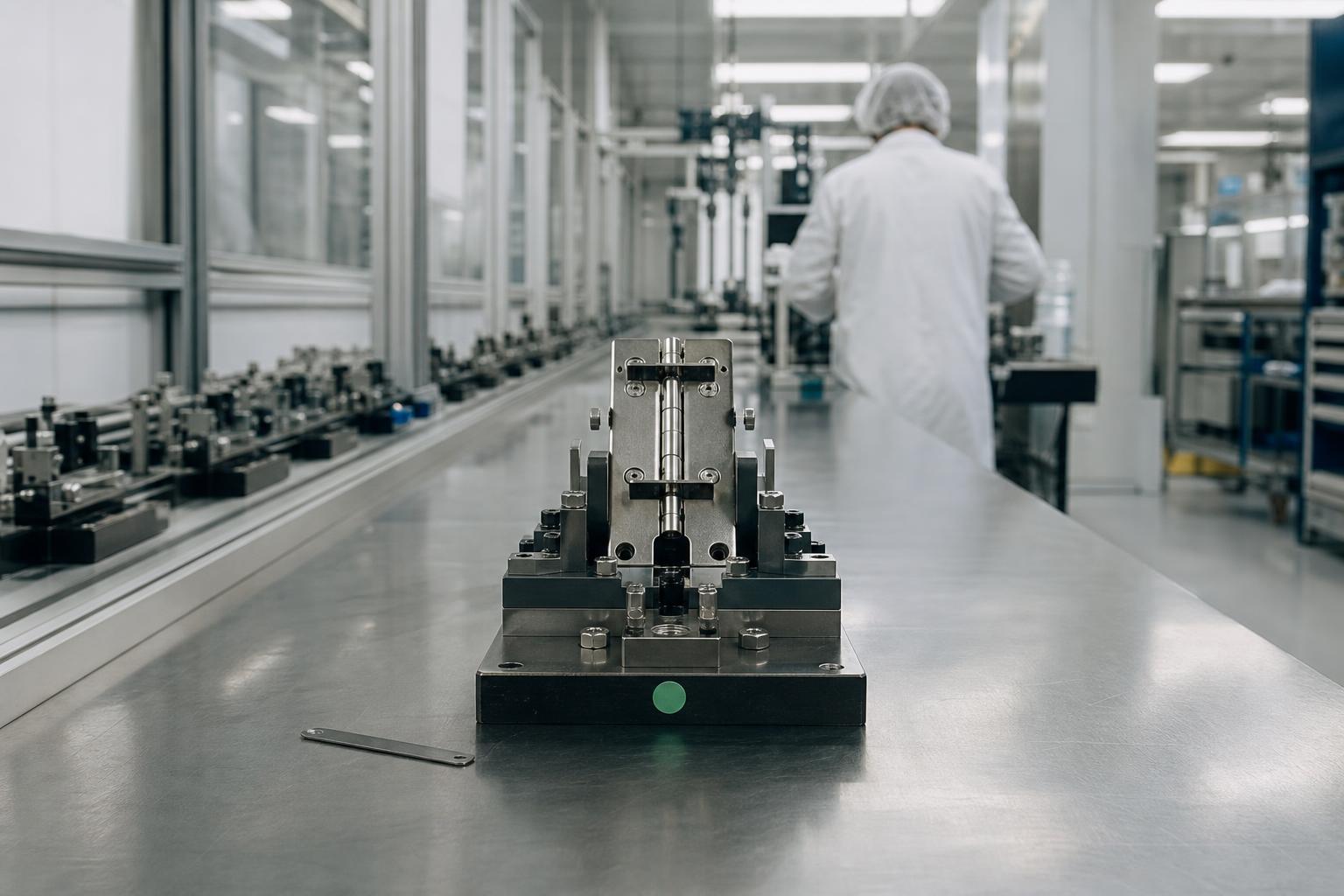
Nikkei's supply chain sources describe an extra trial production run that Apple inserted in August, on top of its normal manufacturing schedule, specifically to test whether the iPhone Ultra could be mass-produced to its intended design. That trial run reportedly delayed commercial production by "weeks." The two components under scrutiny are surface flatness and hinge performance — the mechanical joint that lets the screen fold without a crease deep enough to see or a gap wide enough to let dust in.
This is not a chip shortage or a screen-panel allocation problem, the kind that usually explains a slow ramp. It is closer to a manufacturing tolerance problem: a part has to be built to a precision that the assembly line hasn't reliably hit yet. Think of it less like a shipping delay and more like a foundry pouring castings that keep coming out slightly warped — the fix isn't more capacity, it's a tighter mold, and that takes iteration, not overtime.
Tens of thousands versus a few hundred is not a rounding gap
Nikkei's sources put the normal daily target for a flagship-adjacent Apple product at tens of thousands of units. Current Ultra output, by their account, is in the hundreds — roughly two orders of magnitude short. Bloomberg's Mark Gurman, covering the same device this week, offered a more measured read: he expects the foldable to launch "at the same time or very close to it" as the iPhone 18 Pro, and said he doesn't see "massive delays or supply chain issues" at this point. Both things can be true. A product can launch on schedule and still be scarce at launch — Apple has done this before with early Vision Pro allocations, though that device sold in thousands, not tens of millions.
KeyBanc isn't betting on the foldable. It's betting on the Pro price tag
The more immediate financial story has nothing to do with hinges. KeyBanc, which holds an "Underweight" rating on Apple and a $250 price target against a share price of $324.96 at the time of its note, expects Apple to raise the iPhone 18 Pro's price by $150 to $1,249, and the iPhone 18 Pro Max by $200 to $1,399. The foldable, KeyBanc estimates, will start at $2,199.
The firm's total lineup build estimate — around 80 million units across the fourth quarter of fiscal 2026 and the first quarter of fiscal 2027 — is down from roughly 91 million units in the same window a year earlier. KeyBanc attributes most of that drop not to weak demand but to a simpler cause: there is no base iPhone 18 model in this part of the cycle, so the unit count skews toward pricier phones that sell in smaller volumes than an entry-level model would.
Who pays for the margin Apple is trying to protect
KeyBanc frames Apple's pricing decision as a fork with no clean branch. Raise prices broadly across the lineup, and Apple risks "sticker shock" that suppresses unit volumes — fewer phones sold, even if each one carries fatter margin. Raise prices selectively, on Pro and foldable tiers only, and Apple invites the opposite problem: analysts start asking why margins need defending at all, which KeyBanc says could trigger scrutiny that leads to further price increases down the line, compounding the original concern instead of resolving it.
Either way, the buyer absorbs the cost. The question KeyBanc is really asking is which buyer: the one who was going to buy a Pro anyway and now pays $150 or $200 more, or the marginal buyer who decides $1,249 is the year they skip the upgrade, leaving Apple with a smaller but more profitable installed base moving forward.
Five years of the same half-percent slide
KeyBanc's note includes a historical pattern worth stating plainly: Apple shares have averaged a 0.72% decline on the day of its iPhone announcement over the past five years, and a 1.22% decline five trading days out. That is a small, consistent drag — not a crash, but a repeatable one. The mechanism KeyBanc points to isn't the phone itself; it's that the announcement forces investors to stop trading rumors and start trading specifics. Rumors can price in optimism. A confirmed price tag and a confirmed unit forecast leave less room for it.
The event also introduces the person who has to answer for all of it
This is the first Apple hardware event since Tim Cook's departure as chief executive, and the first public test of John Ternus in the role. Ternus inherits a launch where the marquee product — the foldable — is supply-constrained before a single unit reaches a store, and where the flagship's price increase is being modeled by Wall Street as a demand risk rather than a margin win. Apple has not commented on the Nikkei production figures, and the company's standard practice is to say nothing about unannounced products until the event itself.
What would actually prove Nikkei's number wrong
The test isn't the September 9 keynote — it's the weeks after. If Apple opens iPhone Ultra preorders on September 12 (a day later than usual, according to unconfirmed reports tied to the September 11 anniversary) and the device sells out within hours with multi-week shipping delays quoted immediately, that's consistent with output still in the hundreds or low thousands per day. If shipping estimates stay close to launch-day availability through October, the production ramp closed the gap faster than Nikkei's sources suggested in early September.
Gurman's reporting and Nikkei's reporting aren't in direct conflict — one is about whether the event happens on schedule, the other is about how many units exist when it does. Apple has shipped constrained products before without delaying the announcement date; the cost lands on the customer standing in a longer queue, not on the keynote itself.