Apple’s October now has three dates, not one
Apple splits home products, MacBook Pro and permissions changes across October 13, 27, and a software update.
By The Signal · · 5 min read
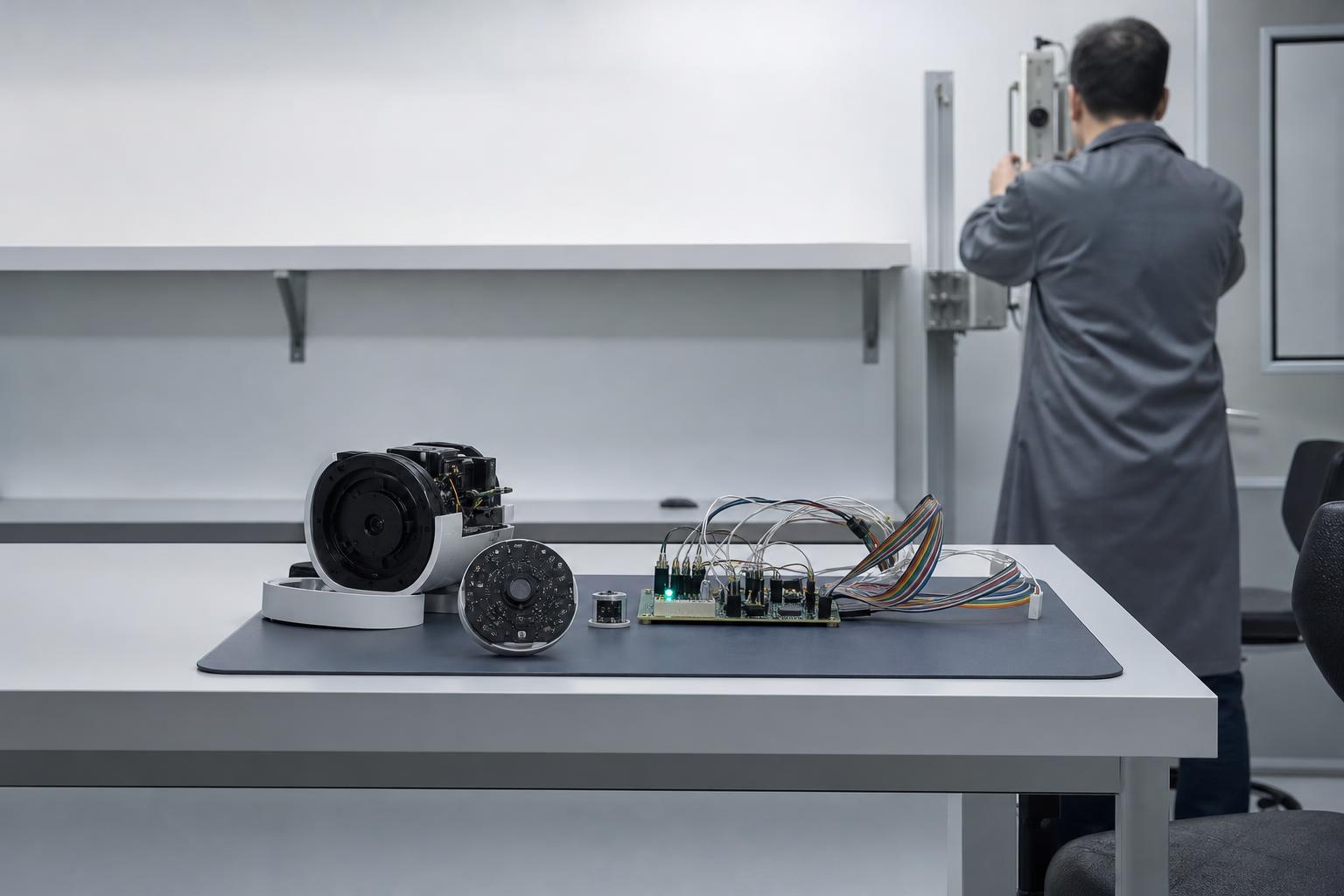
Apple has set October 13 for a "Welcome home" event — new smart home hardware, reportedly including a long-rumored hub, a refreshed Apple TV 4K, and an updated HomePod mini. Two weeks later, Bloomberg reports a second, separate launch around October 27 for the first touchscreen MacBook Pro and a new iPad mini. Two Apple product cycles, announced nine days apart, aimed at entirely different buyers.
One calendar, two audiences
The split matters more than the products. Smart home hardware sells to someone who wants a camera that works when the power blinks and a hub that doesn't need a subscription to answer a basic question. Bloomberg's report frames the October 27 launch — touchscreen MacBook Pro, new iPad mini — as "geared toward creative professionals who work in video production, photo editing and music production," a different customer with a different budget and a different tolerance for being a beta tester.
Apple ran a comparable split in October 2024: new Macs launched with hands-on press time in Los Angeles, separate from whatever consumer hardware shipped that season. Bloomberg's sourcing likens the upcoming launch to that precedent directly — an online presentation plus an in-person press component, the same format, redeployed for touchscreen Macs instead.
What a touchscreen MacBook Pro actually changes, and for whom
Apple has resisted touch on MacBook for over a decade, on the stated logic that reaching across a vertical screen to tap it causes fatigue — "gorilla arm," in interface design shorthand — while a laptop used mostly at a desk or on a lap rewards a trackpad instead. That logic hasn't reversed. What's changed is the target buyer: video editors scrubbing a timeline, photo editors dragging a crop handle, musicians dragging a fader — tasks where a fingertip beats a cursor, performed by people who already own an iPad for exactly that reason and would rather not carry two devices. The touchscreen MacBook Pro is a bet that this group is large enough to justify the hinge engineering, not a reversal of the gorilla-arm argument for everyone else.
The hub rumor is older than this event
A dedicated Apple smart home hub — distinct from HomePod, distinct from Apple TV, built to be the single device a house's HomeKit accessories report to — has circulated in supply-chain and analyst reporting for more than two years without a ship date. MacRumors' framing of October 13 treats the hub as the headline alongside the Apple TV 4K refresh and HomePod mini update, the first time all three have had a specific calendar date attached rather than a quarter.
The mechanism behind why a hub matters, and why it's taken this long, is unglamorous: HomeKit accessories today each maintain their own connection to whichever device happens to be running the Home app — an iPhone, an iPad, an existing HomePod, an Apple TV — and automations depend on at least one of those staying on and connected around the clock. A camera, a lock and a thermostat are like three appliances on the same household circuit with no shared breaker box; each negotiates separately, and if the device acting as hub goes to sleep or updates mid-automation, the lock just doesn't unlock. A dedicated hub is the breaker box: one device whose only job is staying awake and listening.
iOS 27 ships the software half of the bet before the hardware arrives
Apple's iOS 27 Home app update, detailed ahead of the event, gives a preview of what that hub is meant to run. HomeKit Secure Video — the cloud recording service bundled into iCloud+ — gains three Apple Intelligence-powered upgrades and one feature with nothing to do with AI at all: 4K recording, up from a 1080p ceiling that had held since Secure Video launched. The resolution bump is the kind of change that sounds minor until a camera needs to read a face or a license plate at range, where 1080p simply doesn't have the pixels and no amount of software cleverness recovers detail that was never captured.
The second iOS 27 change, a "Reduce Notifications" toggle, folds related alerts — someone arriving, the door unlocking, the garage closing — into one notification that updates in place rather than firing seven separate alerts for one event. It's a small fix for a real failure mode: a flood of individually-accurate, collectively-useless pings is why people disable home notifications altogether, which defeats the point of owning a security camera.
The permission change nobody's framing as part of this
Running alongside the hardware news, and reported separately, is a change to macOS's Full Disk Access permission — the setting that governs which apps can read a Mac's entire file system rather than just their own sandboxed folder. Details of the specific change weren't public at reporting time, but the category matters: Full Disk Access is the permission backup software, antivirus tools and many automation utilities require to function, and any tightening of it breaks those tools for users who granted access under the old rules until they re-grant it under the new ones. A hub that's meant to run a house unattended depends on a Mac-side permission system that's also being rewritten in the same month — two pieces of the same ecosystem moving on different clocks.
The constraint nobody in this story is pricing
A smart home hub's entire value proposition rests on staying connected and current for years without being replaced, the way a thermostat or a router is expected to last a decade. Apple's hardware refresh cycle doesn't obviously match that expectation — Apple TV and HomePod mini updates arrive on consumer-electronics timelines of two to four years, not the ten-year horizon a wall-mounted home hub implies. Nobody in the current reporting addresses what happens to a house's automations when the hub itself is the thing due for replacement.
The open question is simpler and less technical: whether a hub, an Apple TV and a HomePod mini announced on the same date are three products or one system sold in three boxes, and whether Apple prices the hub as a standalone purchase or folds its cost into the HomePod and Apple TV refreshes that ship alongside it on October 13.
Do I need the hub if I already own a HomePod?
Reporting doesn't yet say whether the hub replaces HomePod's home-hub function or runs alongside it — that detail should surface at the October 13 event itself.
Will the touchscreen MacBook Pro run iPad apps?
Neither Apple nor Bloomberg's sourcing has addressed software compatibility; the report covers hardware timing, not the operating system question.