Eleven trials, 774 babies, and no answer on when to start caffeine
A review of 774 preterm infants can’t settle when caffeine should start — only that early often beats late.
By The Weekend · · 4 min read
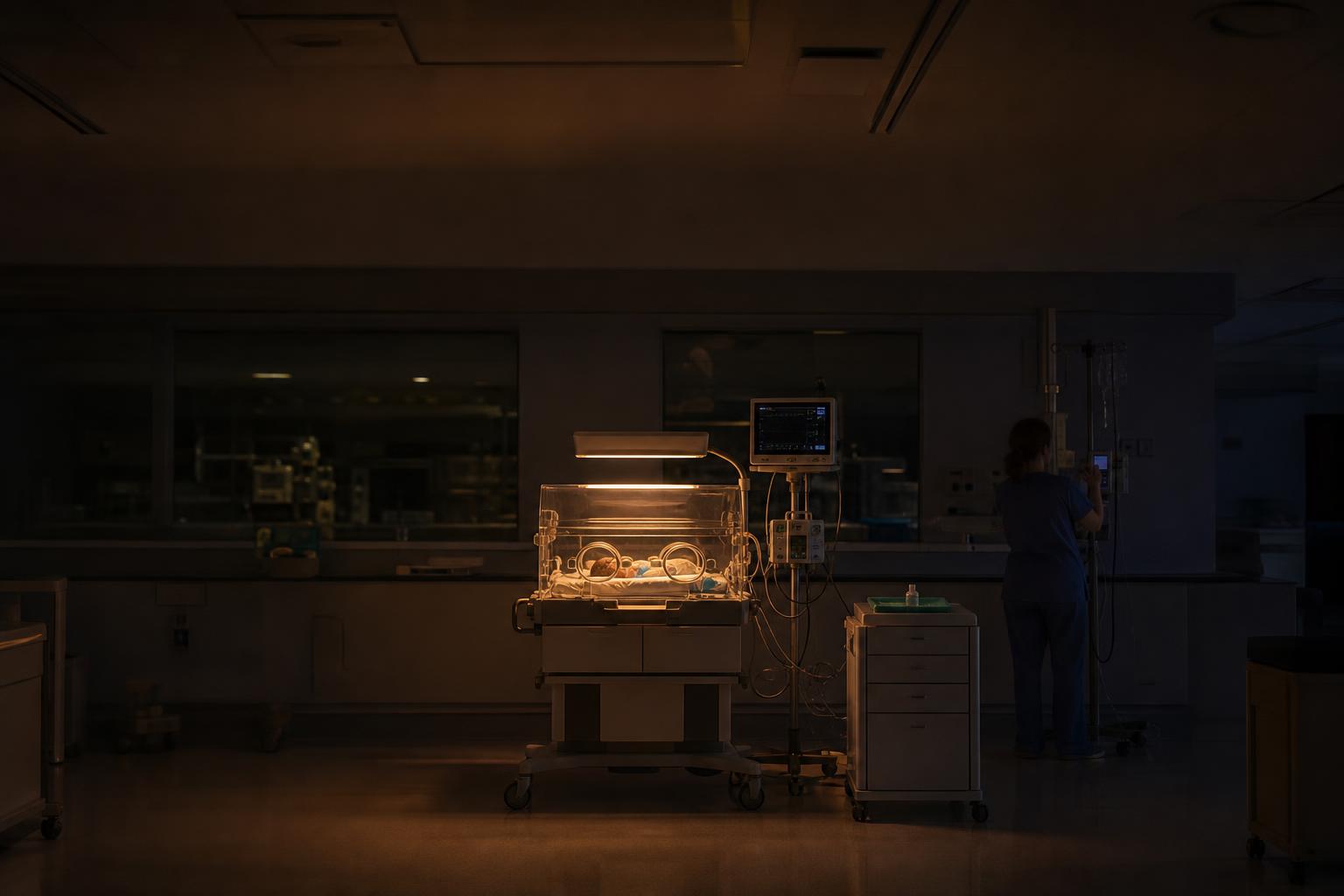
Caffeine is the most-used drug in neonatal intensive care, given to help premature babies breathe. A review of 11 trials covering 774 infants set out to answer a simple question — when should it start — and came back with an answer no parent wants to hear: it likely matters, but nobody has proven exactly how.
A drug nearly every preterm baby already gets, on a schedule nobody has fixed
Picture a 28-week infant in an incubator, a feeding tube taped to one cheek, a cannula looping to a monitor that beeps every few seconds whether or not anything is wrong. Somewhere in the first hours or days of that stay, a clinician decides when to add caffeine citrate to the drip. That decision happens thousands of times a day in neonatal units worldwide, and until this review, it was made largely on habit and local protocol rather than hard evidence of timing.
The stakes are not abstract. Premature lungs and brains are both underdeveloped, and apnea — the pauses in breathing that preterm infants are prone to — can mean repeated drops in oxygen that compound over weeks in intensive care. Caffeine stimulates the brain's respiratory drive, cutting those pauses and, the evidence shows, reducing the risk of death or chronic lung disease. That much isn't contested. What's contested, or rather unresolved, is whether giving it within two hours of birth, within 72 hours, after symptoms appear, or at the moment a breathing tube comes out changes the outcome enough to matter.
What the numbers say
The review, run through Cochrane and pulling from MEDLINE, Embase, CENTRAL and trial registries up to April 2025, found 11 qualifying studies published between 2014 and 2023, plus seven more still running. Across three separate comparisons, the pattern was consistent in direction but thin in certainty.
Starting caffeine within 72 hours of life, compared with waiting for symptoms, is likely to reduce long-term lung disease — but confidence in most of the other outcomes in that comparison is low, because too few babies have been studied to be sure. Starting it even earlier, within two hours of birth, versus somewhere in the 2-to-24-hour window, produced evidence the reviewers call "very uncertain" — not negative, just not yet legible. And in a separate comparison, giving caffeine while a baby is still on a ventilator, rather than waiting until the breathing tube is removed, may produce a large reduction in how long that baby needs mechanical ventilation, and may also cut long-term lung disease. That's the closest thing to a strong signal in the whole review — and even it comes with a "may," the Cochrane hedge for evidence that hasn't cleared the bar for confident recommendation.
Translated into something closer to daily life on a neonatal ward: for the 72-hour comparison, earlier caffeine is probably worth doing, in that it likely spares some babies the long-term lung scarring that chronic lung disease leaves behind, which in practical terms means fewer children growing up dependent on inhalers or oxygen support. For the ventilator-timing comparison, starting the drug before extubation rather than at it may shave meaningful time off how long a baby is tethered to a machine. Neither finding is a rounding error. Neither is proof.
The gap the review can't close
No trial has ever compared starting caffeine in babies with only minimal symptoms against starting it only once serious apnea has set in — the apnea severe enough that a nurse has to physically stimulate the baby or give breathing support to restart normal breathing. That comparison, arguably the most clinically urgent one, simply doesn't exist in the published literature. Nobody has run it. So a unit deciding whether to treat preemptively or wait for a crisis is choosing without a map for that specific fork.
There's also a blind spot in what was measured even where trials exist: none of the 11 studies reported on intermittent hypoxemia — the short, repeated drops in oxygen level that are themselves linked to developmental harm in preterm infants. A review built to settle a timing question couldn't touch one of the outcomes most parents and clinicians would actually want timed.
The question this leaves open
If earlier caffeine is "likely" better in two separate comparisons, why isn't it already universal practice? Partly because "likely" and "may" are not the same as proven, and neonatal units are understandably cautious about standardizing a drug schedule on moderate-certainty evidence for a population this fragile. Partly because the studies are small — 774 babies across 11 trials is not a small number in absolute terms, but split across four or five separate comparisons, each slice shrinks fast. The honest unanswered question is whether the seven ongoing trials, once finished, will convert "likely" into "proven," or whether neonatal caffeine timing will remain one of those areas of medicine where everyone does something slightly different and nobody can say with confidence who's right.
Does caffeine have side effects serious enough to stop treatment?
The review tracked this directly — whether adverse effects led clinicians to discontinue caffeine — but didn't find enough consistent reporting across the 11 trials to draw a solid conclusion either way.
Is caffeine given to all preterm babies, or only some?
It's used widely in neonatal units specifically for infants showing apnea or at high risk of it, not as a blanket treatment for every premature birth regardless of symptoms.