Every tap costs the shop about two percent
Card fees are invisible to the buyer and unavoidable for the seller. The arithmetic lands on cash users.
By The Ledger · · 2 min read
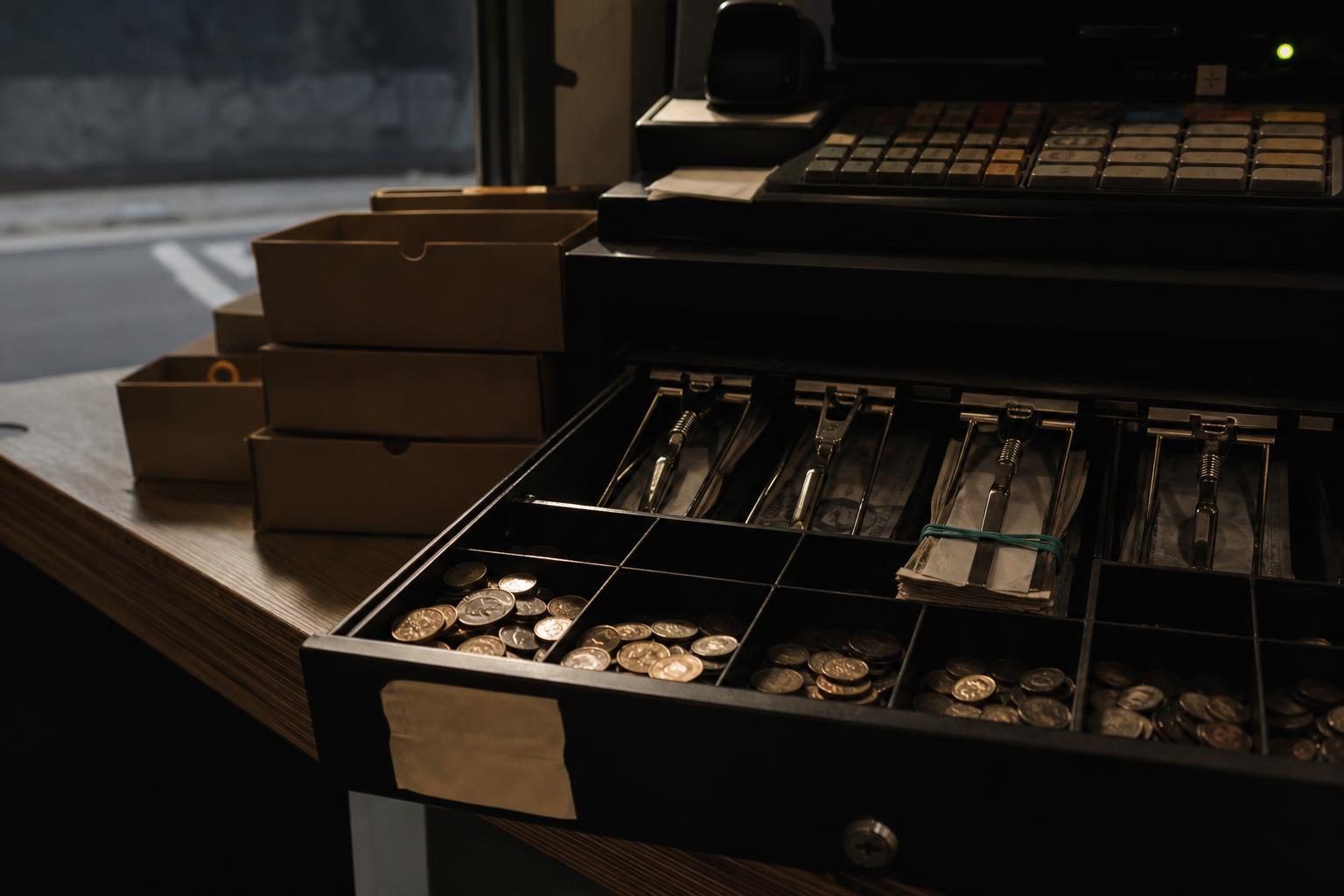
About two percent of a card transaction never reaches the shop. It goes to the card network, the banks on either side, and the rewards programme funding your points. The buyer sees none of this, which is exactly the design.
What actually happened
Interchange — the fee a merchant's bank pays the cardholder's bank — plus scheme fees and processor margin stack to somewhere between one and three percent in most markets. Regulators in some regions have capped parts of the stack; in others, premium and commercial cards still carry the full weight.
Merchants respond the only way they can: the fee goes into the sticker price, for every customer. That is the part the points brochures do not print.
Who pays, who gains
Rewards cards are a transfer with a direction. Prices rise for everyone to cover interchange; the rebate flows back only to cardholders, and disproportionately to the heaviest-spending ones. The customer paying cash — statistically the lower-income customer — funds a share of someone else's flight upgrade. Studies of this transfer put it in the tens of dollars per household per year, moving upward.
The mechanism
The system holds because each party's incentive locks the next in place. Cardholders prefer the card that rebates them; banks prefer issuing the card with the highest interchange; merchants cannot refuse the network that carries most wallets. Surcharging is allowed in some markets and awkward everywhere — a till queue is no place for a fee lecture.
What happens next
The pressure points are real-time payment rails — account-to-account transfers that settle in seconds for a fraction of the cost — and regulators who have noticed that a two-percent private tax on retail is a strange thing to leave standing. Where instant rails have won adoption, card share has actually bent. The constraint is habit: the tap is very good, and cheapness has never beaten convenience without help.