Most of what gets streamed is old music now
Catalog listening outweighs new releases by a wide margin, and the economics of pop are reorganising around it.
By The Weekend · · 2 min read
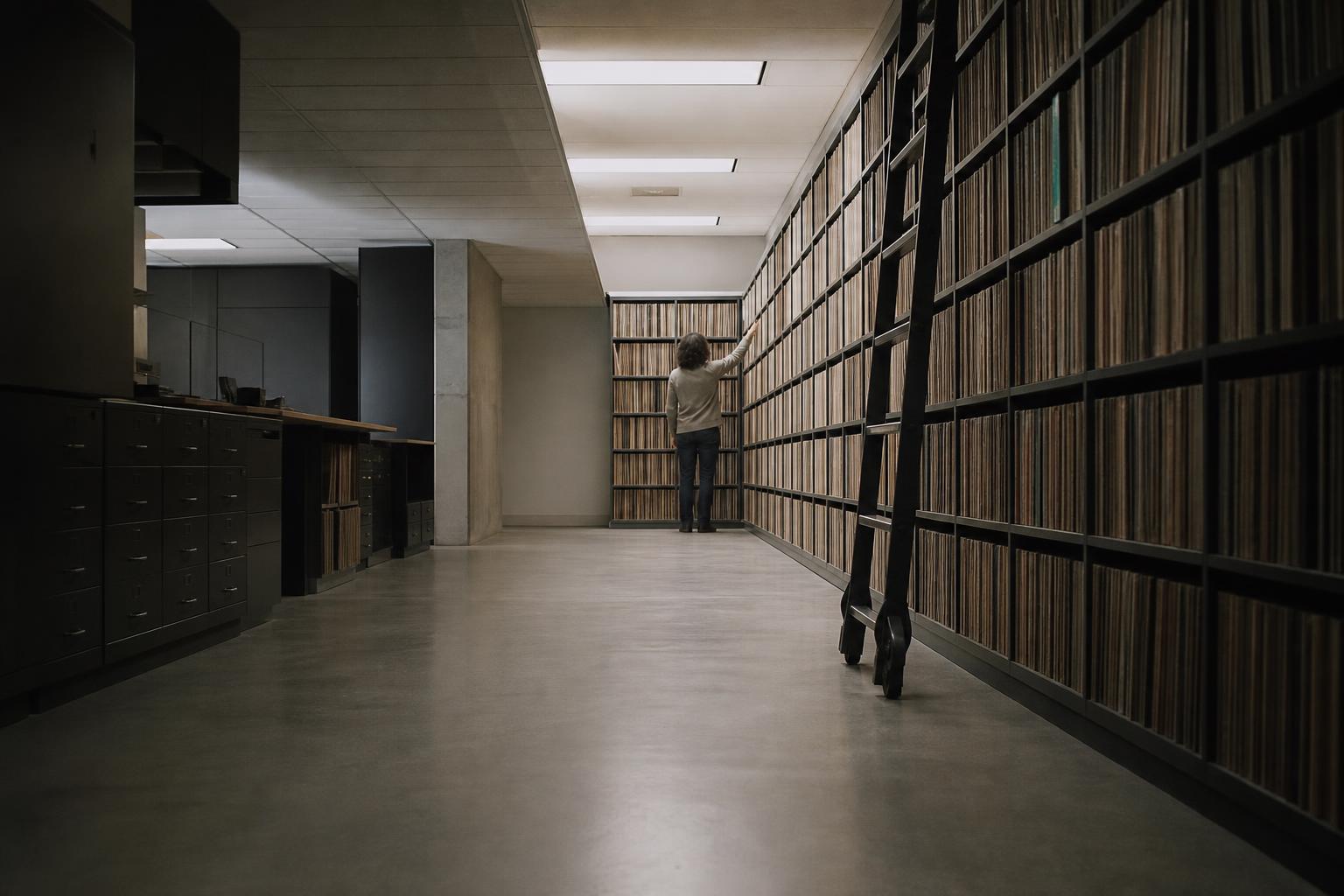
On the big streaming platforms, songs older than eighteen months account for the clear majority of listening — by most industry counts, around seven in ten streams. The present tense of pop is, statistically, the past. That single ratio explains most of the decade's strangest music-business behaviour.
What actually happened
Streaming removed the checkout: hearing an old song costs the same click as a new one, so the entire recorded past competes with this week's releases on equal footing. Algorithmic playlists, film syncs and short-video trends resurrect decades-old tracks overnight, and a hit from 1985 can outstream this month's chart.
What the numbers say
The catalog ratio is why investment funds spent billions buying publishing rights — an old song with steady streams behaves like a bond with a melody — and why labels' most profitable divisions are the ones marketing what they already own. Valuations cooled as interest rates rose, but the underlying flow held: the old songs kept getting played.
The business behind the screen
For working artists the arithmetic is harsher: new releases split a minority of listening among an ever-larger number of claimants, with tens of thousands of tracks uploaded daily. The career response is visible everywhere — touring and merchandise as the income, recordings as the advertisement, and the fan relationship owned directly through channels no algorithm mediates.
What happens next
Platforms are re-weighting royalties toward engaged listening and away from ambient noise, which slightly favours the artists people actually seek out. The number to watch stays the same ratio: if the old-song share keeps climbing, the industry's centre of gravity is a library, and everyone currently making music is competing with everyone who ever did.