Open weights, closed pipelines
Free-to-download models keep improving. The moat moved to data, evaluation and serving — the parts you cannot fork.
By The Signal · · 2 min read
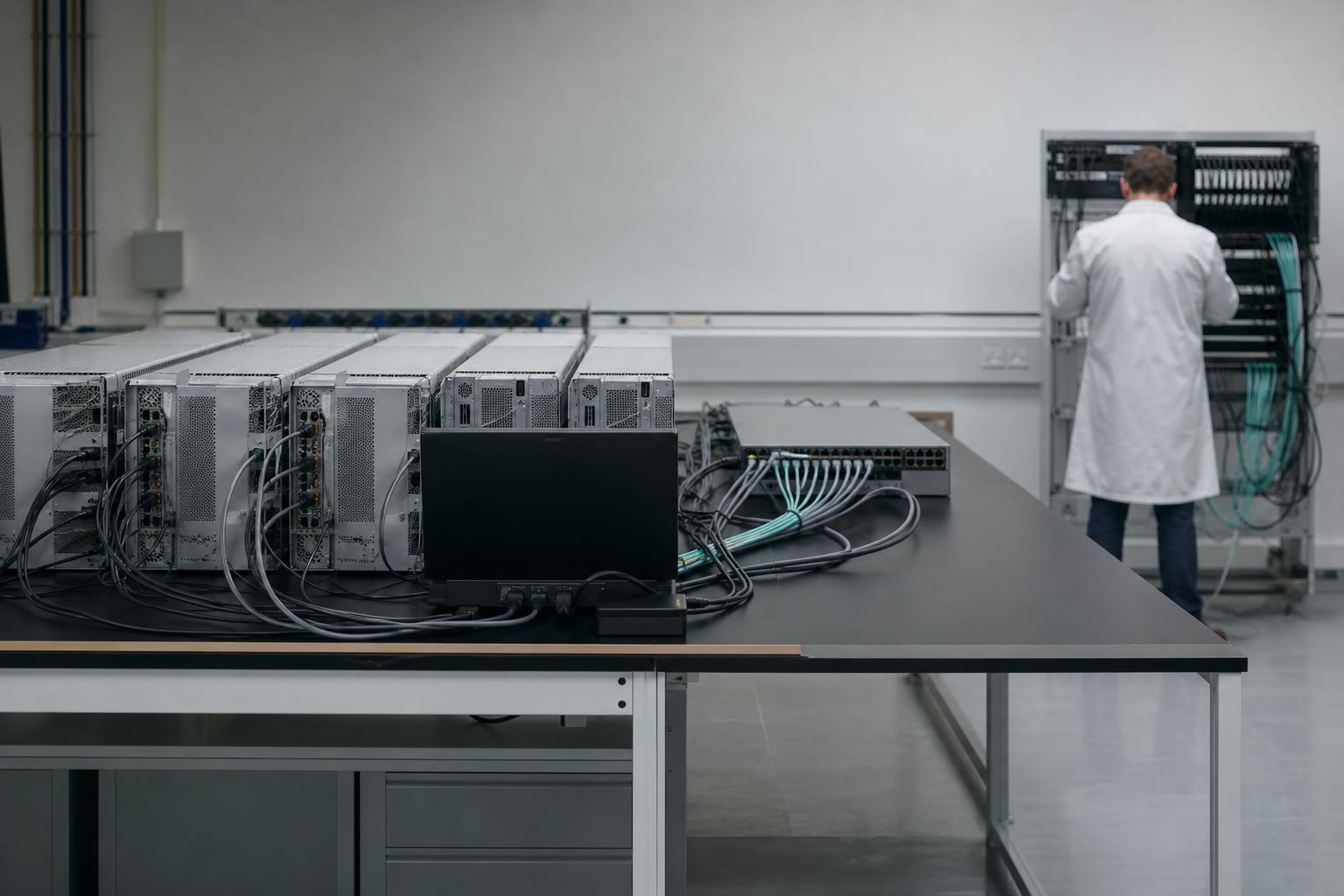
You can download a frontier-adjacent model tonight and run it on rented hardware by morning. What you cannot download is everything around it — the data engine, the evaluation harness, the serving stack — and that surround, not the weights, is where the industry's advantage now lives.
What actually happened
Open-weight releases closed most of the visible quality gap with proprietary models on public benchmarks. Enterprises noticed: self-hosting buys data control, cost control and independence from a vendor's roadmap. Yet closed platforms kept growing anyway, which tells you the product was never only the model.
Who pays, who gains
Open weights transfer power to whoever has engineers: firms that can fine-tune, evaluate and serve capture value without a per-token toll. Those without engineers pay platforms for exactly that scaffolding — and the platform margin has migrated from model access to the machinery of reliability: uptime, safety filters, latency, integration.
How it actually works
A released checkpoint is a photograph of a pipeline. The pipeline — data curation, preference tuning, regression testing against thousands of internal evaluations — keeps moving after the shutter clicks. Forks inherit the photo, not the camera. That is why open models cluster just behind the frontier: each release resets the floor, while the ceiling advances privately.
What happens next
Expect the floor to keep rising, specialist small models to eat defined jobs, and licences — the fine print between open and available — to become negotiating instruments. The constraint nobody mentions: evaluation. Knowing whether your fork actually works, on your tasks, is the expensive part, and nobody has open-sourced their judgement.