Repairability became a number on the box
Repair scores, parts-pairing bans and spare-part mandates are turning fixability into a spec.
By The Signal · · 2 min read
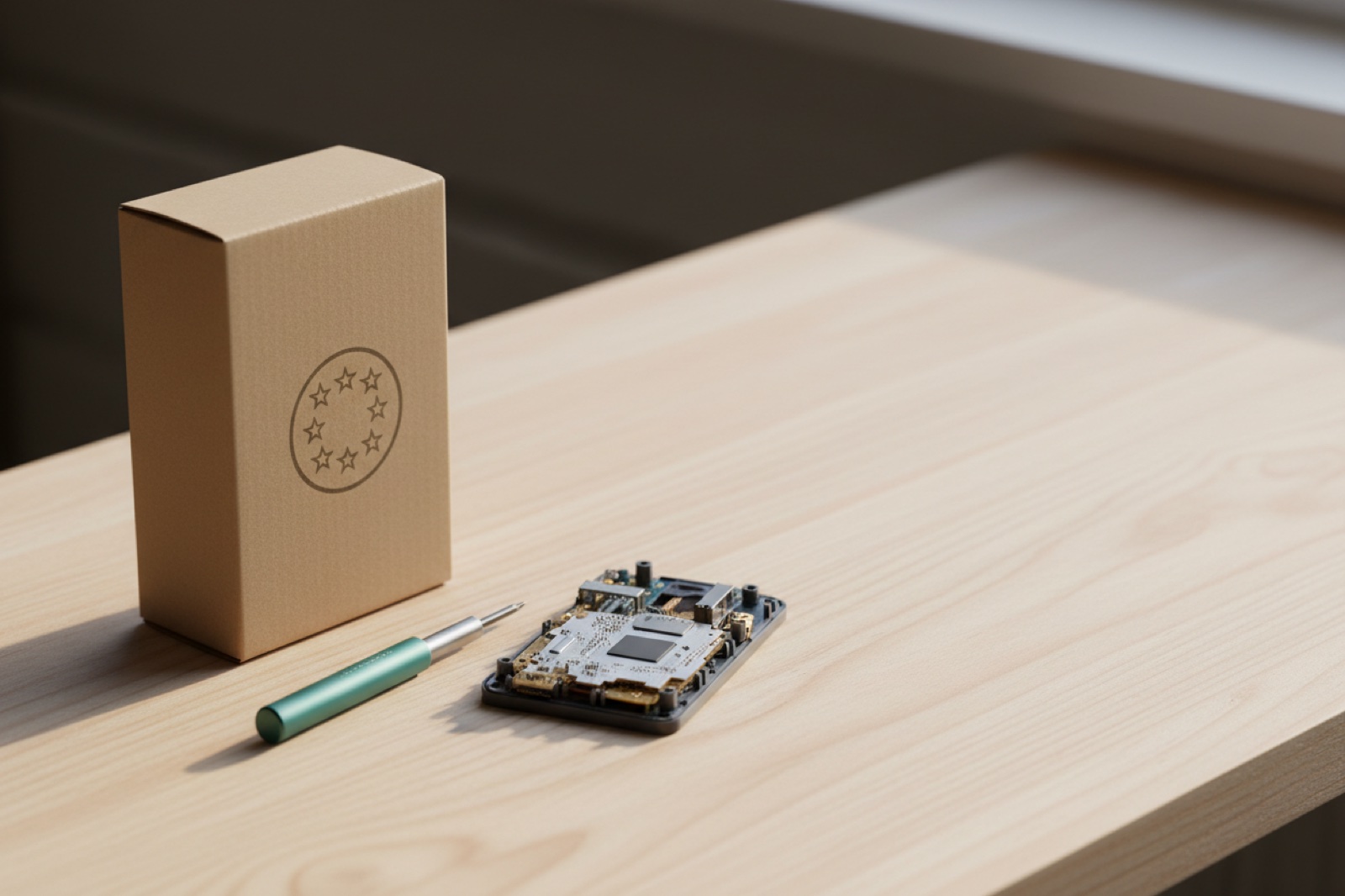
A phone now ships with a number it never used to carry: a repairability score, in some markets printed at the point of sale. Behind that number sits a decade of right-to-repair argument that has quietly hardened into law — and an industry redesigning hinges and adhesives because a label demands it.
What actually happened
Several jurisdictions phased in repair rules: spare parts available for years after sale, manuals published, and — the sharpest clause — restrictions on parts pairing, the practice of software rejecting a genuine component because it lacks the vendor's cryptographic blessing. Scores condense it all into a figure a shopper can compare.
Who pays, who gains
Manufacturers lose a service monopoly: authorised repair at authorised prices was a margin line. Independent shops and refurbishers gain legal oxygen. The buyer gains twice — cheaper fixes, and resale values that rise with fixability. The environmental ledger gains most: the greenest device remains the one not replaced, and batteries are the deciding organ.
How it actually works
Parts pairing was defended as anti-theft and quality control, and partly is. But its economics were plain: a paired screen turns a competitive repair market into a captive one. The new rules do not ban the cryptography; they require the handshake to complete for legitimate parts. Design responds where labels bite — batteries that release without heat guns score points, so heat guns are quietly leaving the bill of materials.
What happens next
Scores spread across categories — laptops, appliances, e-bikes — and the second-hand market professionalises around them. The constraint nobody mentions: software lifespans. A device that opens with a screwdriver but loses updates after three years is repairable in body only, and update-duration labels are the obvious sequel.