The Golden Globes lawsuit is about who owns “Hollywood”
The Hollywood Foreign Press Association's dissolution left a $150 million question: who gets to keep selling the Globes' name.
By The Weekend · · 5 min read
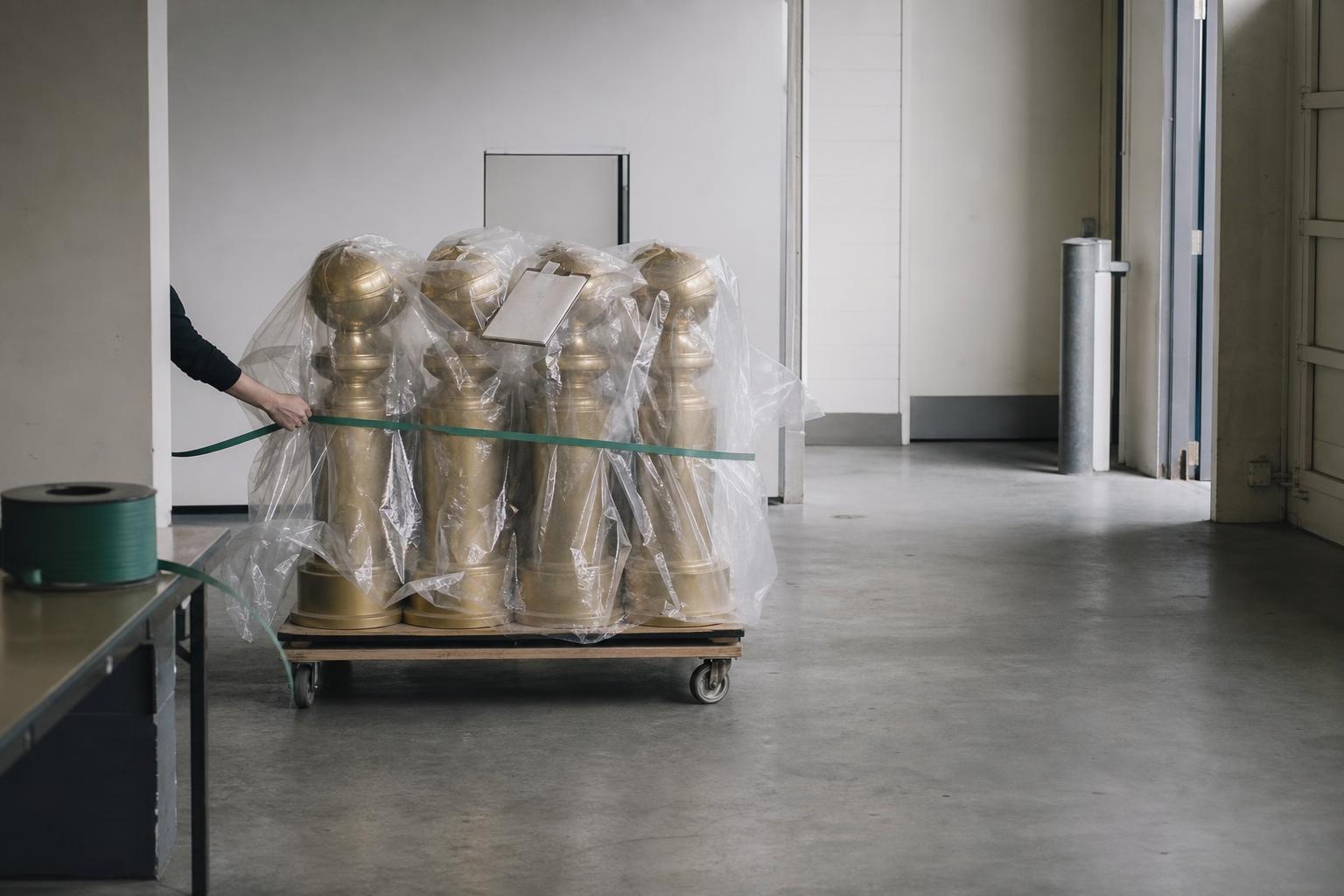
The Hollywood Foreign Press Association filed suit this week seeking $150 million over the Golden Globes, the awards show it built and then lost control of in 2023. The number is large enough to sound like theater. The underlying dispute — over who owns an awards brand once the organization that created it dissolves — is the more durable story, and it is playing out at the same moment three other Hollywood-adjacent deals are testing the same question: what is a name in this industry actually worth once the people who built it are gone.
What actually happened
The HFPA, a group of roughly 90 international journalists that had run the Golden Globes since 1944, restructured in 2023 under pressure after a 2021 Los Angeles Times investigation found no Black members among its voters and documented ethical conflicts, including free trips and gifts from studios. NBC, which had broadcast the Globes for decades, suspended the ceremony for one year in 2022. The HFPA's response was to sell its stake: Eldridge Industries and Dick Clark Productions took over Golden Globes operations, the HFPA dissolved as a voting body, and a new nonprofit membership organization absorbed some of its charitable functions.
The lawsuit filed this week claims the HFPA — or its successors — are owed $150 million tied to that transition, alleging the new operators used the Golden Globes name, format and goodwill without properly compensating the organization that spent nearly 80 years building it. The filing does not allege the ceremony itself is fraudulent or that current broadcasts violate any law; it is a commercial dispute over valuation, the kind that surfaces whenever an institution's brand outlives the institution.
Who pays, who gains
Eldridge Industries, the investment firm controlled by Todd Boehly that also owns Dick Clark Productions, paid an undisclosed sum in 2021 for a majority stake in Golden Globes operations — reported at the time as a deal that valued the ceremony's commercial rights well into nine figures, given NBC's broadcast license alone was worth $60 million a year before the suspension. CBS picked up the broadcast in 2023 on a multi-year deal after NBC stepped back. If the HFPA's estate prevails on even a fraction of the $150 million claim, that cost lands on Eldridge and Dick Clark Productions, the entities that now run the show and collect the broadcast fees. If the suit fails, the HFPA's remaining membership — journalists who once got flown to junkets and now run a philanthropic nonprofit with a diminished asset — absorbs the loss of the one thing they had left to sell: the name.
The mechanism
Awards shows are strange assets because their value sits almost entirely in perceived legitimacy rather than physical infrastructure. The Golden Globes' worth to a broadcaster was never the ceremony itself — it was the ninety years of being treated as a credible predictor of the Oscars, which drove studio campaign spending, celebrity attendance, and the ad rates that followed both. When the HFPA sold its operational control, what it was actually selling was continuity of that perception: a promise that audiences and studios would keep treating the rebranded Globes as the same institution, just with cleaner governance.
That is the exact mechanism now in dispute elsewhere in Hollywood this week, at different scales. Ari Emanuel's Mari Entertainment Group acquired the Ambassador Theatre Group, the company behind roughly 50 Broadway and West End venues, betting that live theater's brand value — audiences trusting a marquee, a producer, a venue's reputation — can be consolidated the same way talent representation was. PENN Entertainment's $195 million landside casino in New Orleans licenses the Hollywood name from Hollywood Casinos' brand family for the same reason a casino licenses any recognizable name: gambling floors sell on trust signals, and "Hollywood" is one of the most portable trust signals in American commerce, attached to nothing more specific than a vague promise of glamour.
The National Review's argument against blocking a pending entertainment-industry merger makes the inverse case explicit: that antitrust intervention, not consolidation, is what would actually cost production jobs, because scale is what lets combined studios keep greenlighting the mid-budget projects that support crews. Whether or not that argument holds, it depends on the same premise — that brand and scale, not headcount, are what determine whether jobs exist at all in an industry where the product is reputation as much as content.
What happens next
The HFPA suit will likely take 12 to 18 months to resolve or settle, based on the pace of comparable entertainment-industry brand disputes, and the number that matters is not the $150 million headline figure but whatever settlement emerges — because settlements, unlike jury verdicts, set the private market price for what a defunct awards body's name is actually worth, a number no one has had to state publicly before. If Eldridge settles for anywhere near even 10% of the claim, expect other legacy entertainment brands sitting on similar unresolved ownership questions — regional film festivals, defunct guild awards, dormant studio trademarks — to see a wave of comparable claims within two years.
FAQ
Does this affect who wins Golden Globes this year?
No. The lawsuit is a financial and ownership dispute between the HFPA's successor entity and the current operators; it does not touch voting, nominations, or the broadcast schedule. CBS's deal to air the ceremony is separate from this claim.
Why did the HFPA lose control of the Globes in the first place?
The 2021 Los Angeles Times investigation into the organization's membership and ethics led NBC to suspend its broadcast, which effectively made the ceremony unsellable to advertisers until the HFPA agreed to restructure and sell operational control to outside investors in 2021.
Is $150 million a realistic recovery, or an opening number?
Entertainment brand-valuation suits routinely settle for a fraction of the initial claim — commonly cited industry figures put typical recoveries at 10% to 30% of the headline ask, because plaintiffs price in negotiating room and defendants price in avoiding a public trial over their own governance history.