The internet is a few hundred cables and some ships
Undersea fibre carries nearly everything, and the repair fleet guarding it is smaller than an airline.
By The Signal · · 2 min read
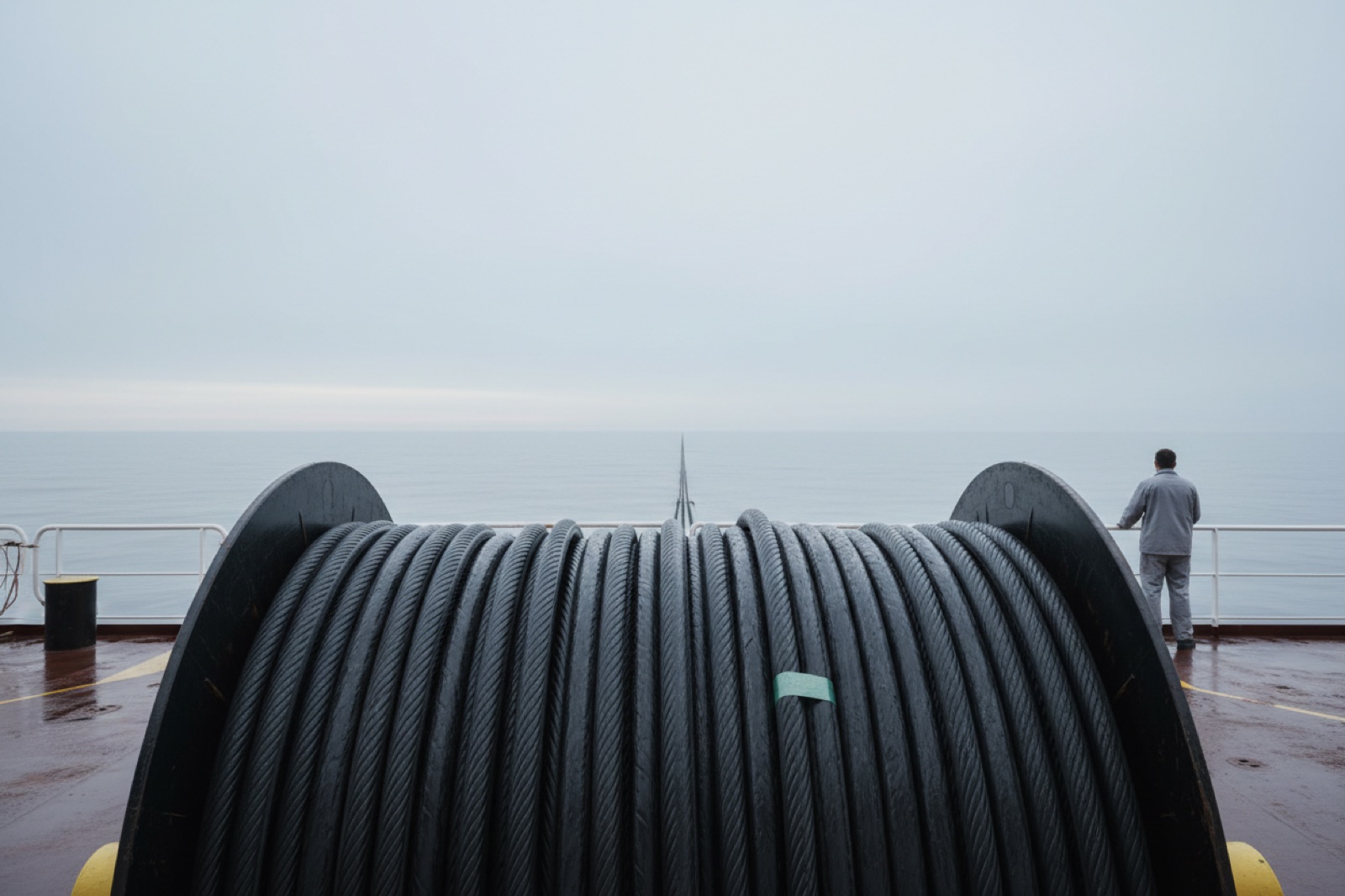
Practically all intercontinental data travels through a few hundred fibre-optic cables lying on the seabed — and when one breaks, the fix is a ship, a grappling hook, and days of splicing in open water. The world's most advanced infrastructure is maintained by one of its most artisanal trades.
What actually happened
Cloud regions, content networks and AI training runs multiplied the traffic between continents, and the hyperscalers became the dominant cable owners — laying private routes where telecom consortia once ruled. Meanwhile a run of high-profile breaks, some accidental and some suspicious, moved the cables from trade journals to security briefings.
Who pays, who gains
A cut rarely darkens a country outright; traffic reroutes over surviving cables at higher latency and cost. The pain concentrates where routes are few — island states and chokepoint seas — where a two-cable nation is one anchor-drag from dial-up speeds. Repair costs fall on owners; resilience gaps fall on whoever lives at the thin end of the map.
How it actually works
A repair ship locates the fault electrically, retrieves the cable — sometimes from depths of several kilometres — splices fibres by hand under a microscope, and lowers it back. The global fleet of such ships numbers a few dozen, many decades old, and their schedule is the internet's true service-level agreement. Chokepoints — narrow straits and shallow seas where cables bunch — concentrate both anchors and intent.
What happens next
More cables, more diverse routings, and the first serious public investment in repair capacity in years. Satellites complement but do not substitute: their combined capacity is a rounding error against fibre. The constraint nobody mentions is the splicers themselves — a craft workforce that takes years to train and is retiring faster than it is replaced.