Your sleep score is a guess in a nice font
Wearables measure movement and pulse well, sleep stages poorly, and the anxiety they generate has a name.
By The Weekend · · 2 min read
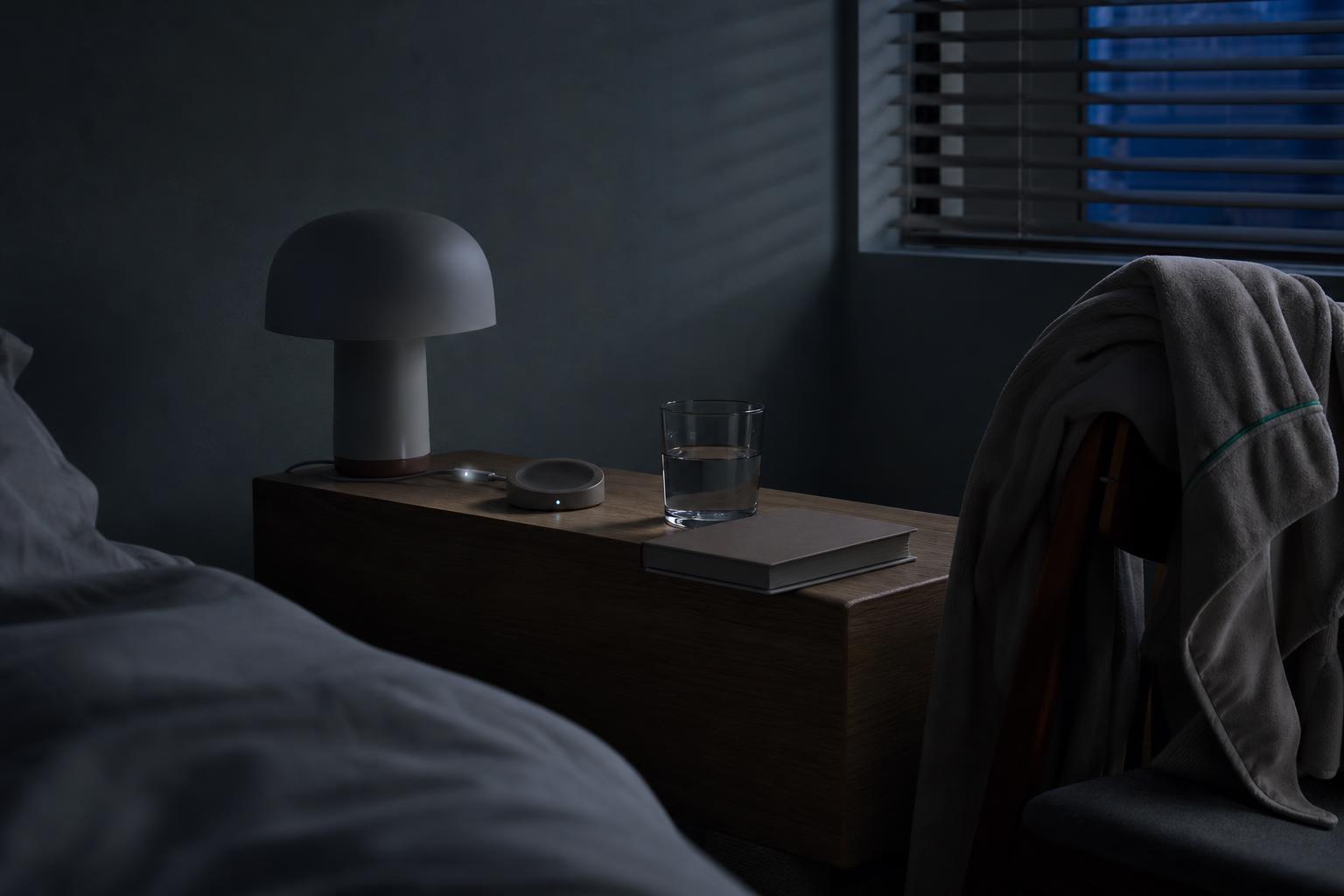
The number your wearable shows you each morning is not a measurement of sleep. It is an estimate built from movement and heart rhythm, dressed as a grade — useful for trends, unreliable for stages, and, for a growing group of users, a new reason to sleep badly.
What the evidence says
Validation studies against polysomnography — the wired-up lab standard — repeat the same pattern: consumer devices detect that you slept reasonably well, but misclassify sleep stages a substantial fraction of the night. Deep-sleep minutes, the number users fret over most, is among the least accurate outputs. Total duration and consistency of schedule — the boring metrics — are the ones the devices get roughly right and the ones the science cares about.
Who funded it
Note that many glowing accuracy studies are conducted or commissioned by the manufacturers; the independent literature is consistently more modest. That gap is the review section in miniature.
The numbers a reader can feel
Sleep clinicians now describe patients whose insomnia is driven by their tracker — orthosomnia, the pursuit of a perfect score at the cost of actual rest. The mechanism is ordinary anxiety: a bad grade at breakfast becomes worry by evening becomes vigilance at midnight. For that user, the most evidence-based intervention available is the settings menu.
What happens next
Sensors improve, and multi-signal models close some of the staging gap. The useful posture meanwhile: read the weekly trend, ignore the nightly grade, and remember the tracker cannot see the thing that fixes most bad sleep — a consistent schedule, defended boringly. The device is a diary, not a doctor.