32 birds, 16 mammals, one report with a hopeful title
Conservation stopped 32 bird and 16 mammal extinctions since 1993, but resilience, not optimism, did it.
By The Ledger · · 5 min read
Since 1993, conservationists have stopped 32 bird species and 16 mammal species from going extinct. That figure sits inside the Living Planet Report, a biennial accounting of wildlife health, alongside stable or growing populations of wild tigers, elephants and sea otters. The same report calls itself The Science of Hope, and the arithmetic behind that title is narrower than the title suggests.
The 2024 edition of the same report recorded a 73% fall in global wildlife populations over 50 years. That number has not been revised. It sits next to the new one, unresolved, because both are true at once: the overall trend is collapse, and specific interventions are working. The gap between those two facts is where the argument about hope actually lives.
Kākāpō numbers didn't recover. They were engineered to.
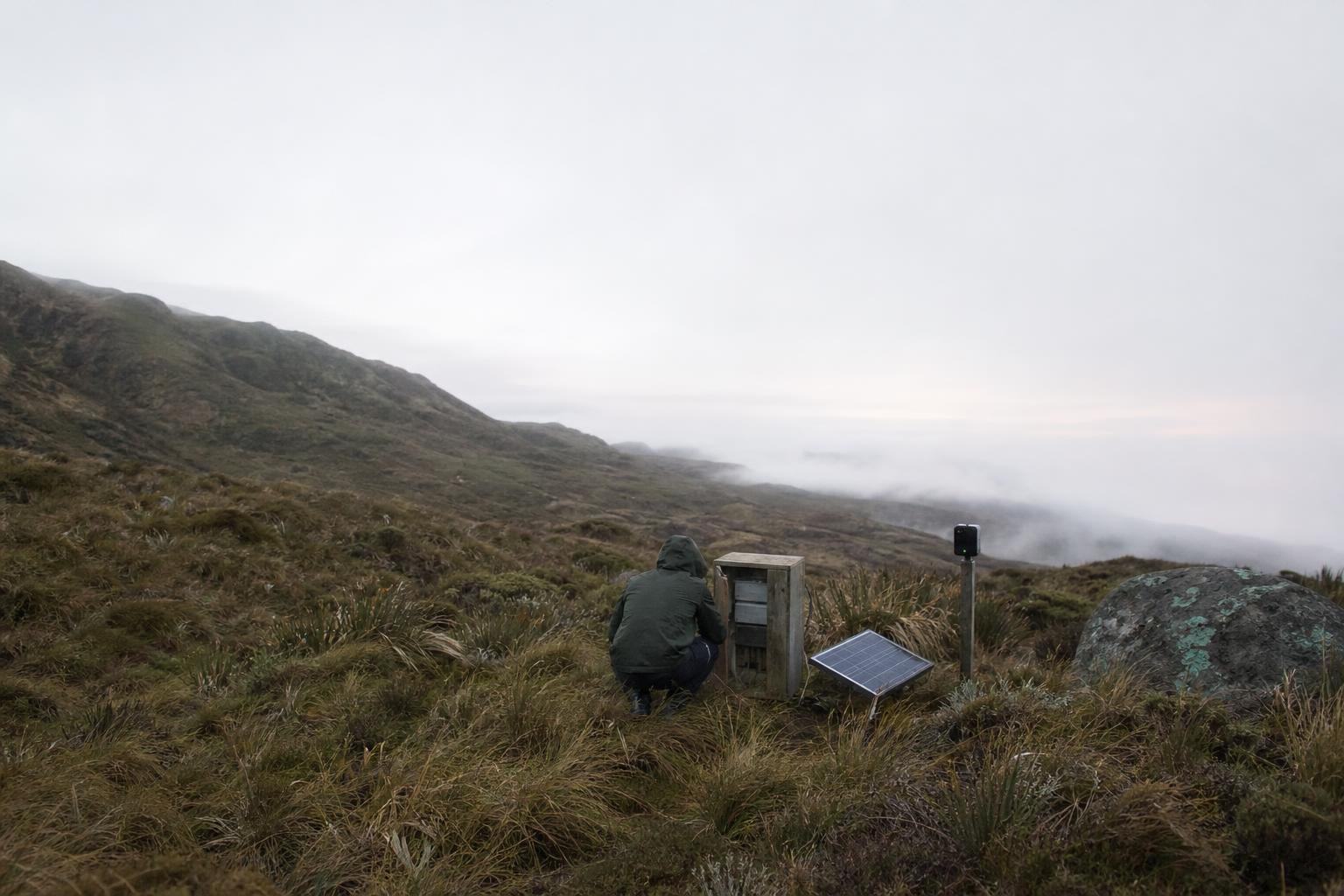
New Zealand's kākāpō — a flightless, ground-nesting parrot — was driven toward extinction by predators introduced after European settlement: stoats, rats, cats. By the mid-1990s the wild population had fallen into double figures. Conservation agencies did not wait for the trend to reverse on its own. They relocated every surviving bird to predator-free islands, a logistical operation involving net-捕 traps, boat transport and permanent ranger presence. When relocation alone produced slow results, the programme added hand-rearing for chicks, foster parenting between nests, and artificial insemination to manage genetic diversity in a population too small to breed freely. Every living kākāpō has since had its genome sequenced, data now used to decide which birds should pair, to avoid inbreeding in a gene pool that numbers in the low hundreds.
That is not a recovery story in the sense of nature reasserting itself. It is a managed population, sustained by continuous human intervention, with no point at which the intervention can stop. The kākāpō is held above extinction, not restored to self-sufficiency. The distinction matters for how the broader 32-species figure should be read: these are not ecosystems healing, they are species being kept alive by name, one programme at a time.
The energy section is the only one with a system-wide claim
Most of the report's good news operates at the species level — one bird, one mammal, one island. The energy section is different: it asserts a structural shift, not a managed exception. The energy sector accounts for roughly 75% of global greenhouse gas emissions, by the report's own framing, and the claim is that renewables adoption has passed what the report calls a positive tipping point, with coal use declining across several wealthy economies. A tipping point claim is a forecast dressed as an observation. Declining coal use in wealthy countries is a real, measurable fact. Whether that decline has become self-sustaining — continuing without further policy support — is the part still being tested, not yet confirmed by two further reporting cycles of data.
The gap the report doesn't total up
Nowhere in the report is there a single figure for what managed survival costs, across all 32 bird species and 16 mammal species, per year. Each programme — island relocation, captive breeding, genome sequencing, predator eradication — carries its own budget line, reported separately by national agencies, conservation trusts and university partners. No consolidated account exists. This matters because the report's title, The Science of Hope, implies a system gaining ground. The underlying data describes a smaller number of successful, expensive, indefinite rescue operations sitting inside a much larger decline. The 73% fall from the 2024 report has not been offset. It has been partially, selectively, and expensively slowed in specific cases chosen because they were tractable — island species, large mammals with public funding appeal, populations small enough to count precisely. Whether the same model scales to ecosystems rather than single species — coral reefs, rainforest understories, ocean food webs — is the open question the report does not answer, because no one has tried it at that scale yet.
Snyder's three conditions, applied to a parrot
The psychologist Charles Snyder's research on hope, used as the report's conceptual spine, defines hope as requiring three elements: a goal, a pathway to reach it, and the belief that action makes a difference. The report adds a fourth: resilience, the capacity to continue after a method fails. The kākāpō programme satisfies all four, but only because it had resources most endangered species never receive — dedicated government funding, a small enough population to track individually, and islands available to relocate to. A 2023 meta-analysis cited in the discussion found that people who believed their actions could change climate outcomes were more likely to support climate policy and reduce personal emissions. People whose hope rested on denying the problem's scale were less likely to act at all. The finding reinforces that hope, in this framing, is not a mood. It is contingent on believing the pathway is real — which, for most of the world's declining species, it currently is not.
What a reader actually wants to know
Does the Living Planet Report measure the same species every time? Largely yes — it tracks population trends in a fixed set of monitored vertebrate populations, so like-for-like comparison across editions is the point.
Is the 73% decline figure still accurate? It has not been revised; the new report adds species-specific successes without changing the headline 50-year trend.
Who pays to keep a parrot alive indefinitely
New Zealand's Department of Conservation funds the kākāpō programme as a permanent line item, not a one-off rescue, because the species cannot yet survive without predator-free islands and managed breeding. The same pattern holds for most of the 32 bird species and 16 mammal species credited in the report: public agencies and conservation trusts carry an open-ended cost, with no exit date written into any budget. The planet's wildlife populations fell 73% in 50 years. Thirty-two birds and sixteen mammals did not fall, because someone is paying, every year, to hold them where they are.