Adaptation gets a tenth of the money. The bill disagrees.
Climate finance flows overwhelmingly to cutting emissions. The costs of living with them arrive anyway.
By The Ledger · · 2 min read
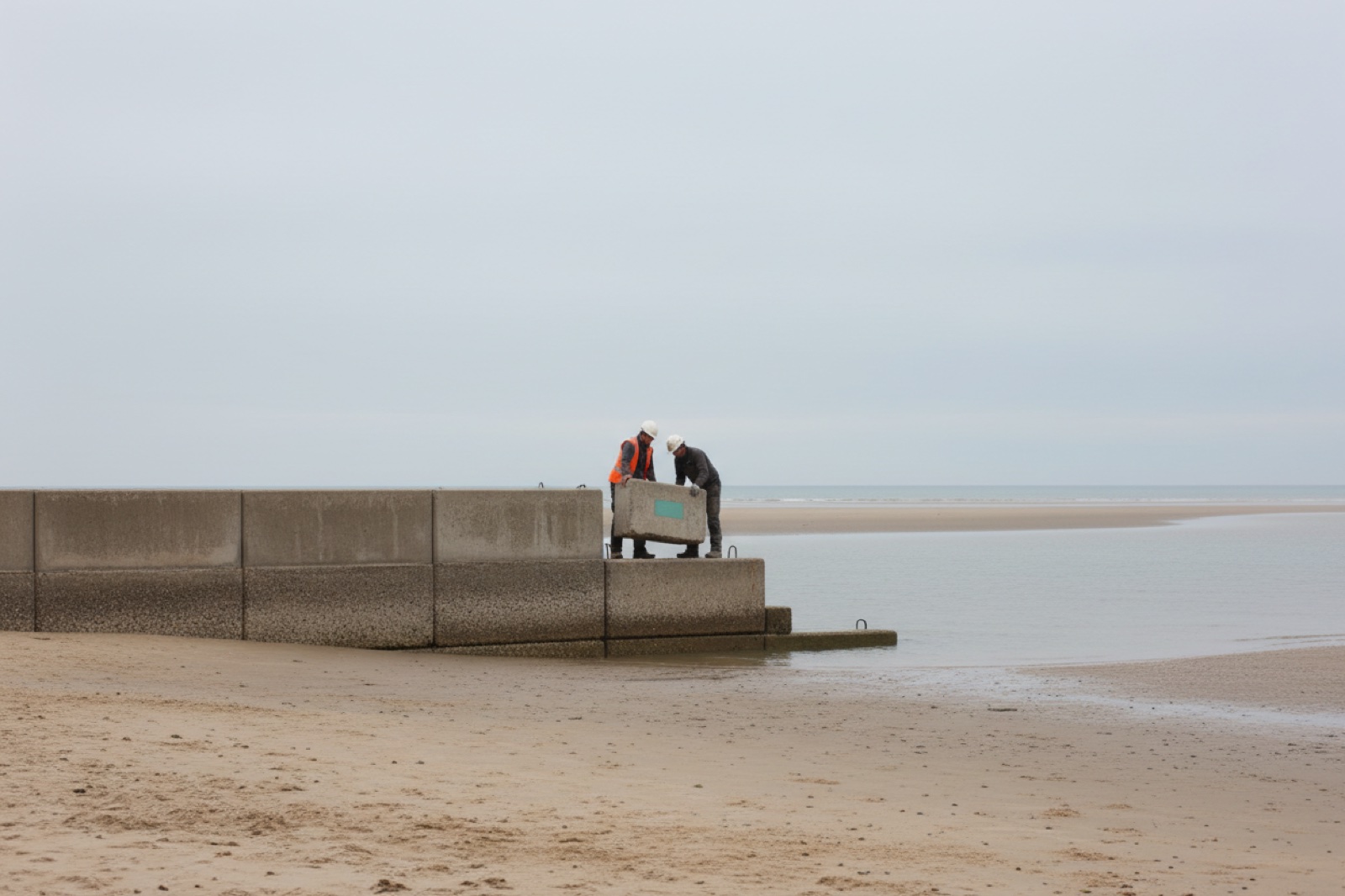
Of the money the world labels climate finance, only around a tenth goes to adaptation — sea walls, drainage, resilient crops, early-warning systems. The damage arriving on current warming did not read the budget. The gap between where the money goes and where the losses land is the quiet imbalance of climate policy.
What actually happened
Mitigation — cutting emissions — attracts private capital because it produces revenue: power sold, fuel saved. Adaptation mostly produces avoided losses, which no one invoices. A drainage system that spares a city a flood has no customer; it has beneficiaries. So mitigation compounds through markets while adaptation queues for grants.
Who pays, who gains
The unfunded gap is paid in kind — in ruined harvests, closed schools, uninsurable homes — and it is paid disproportionately by countries that contributed least to the stock of emissions. Estimates of developing-country adaptation needs run to hundreds of billions a year; actual flows are a fraction. The arithmetic per person is brutal in deltas and drylands where a single flood erases a decade of income growth.
The mechanism
The economics are actually excellent: benefit-cost studies of early warning, resilient infrastructure and coastal defence routinely return multiples on investment. The failure is structural — benefits are diffuse, long-dated and public, exactly the profile private finance avoids and annual government budgets undervalue.
What happens next
Watch resilience bonds, insurance-linked instruments, and loss-and-damage funds try to give avoided losses a price. Watch, too, the accounting fights over what counts as adaptation at all. The constraint nobody mentions: adaptation is bought locally — a thousand municipal projects — while the money is pledged globally, and the pipeline between the two is the narrowest pipe in climate finance.