Europe’s carbon border fee reaches the invoice
The carbon border mechanism turns embedded emissions into a customs line, and supply chains are re-doing sums.
By The Ledger · · 2 min read
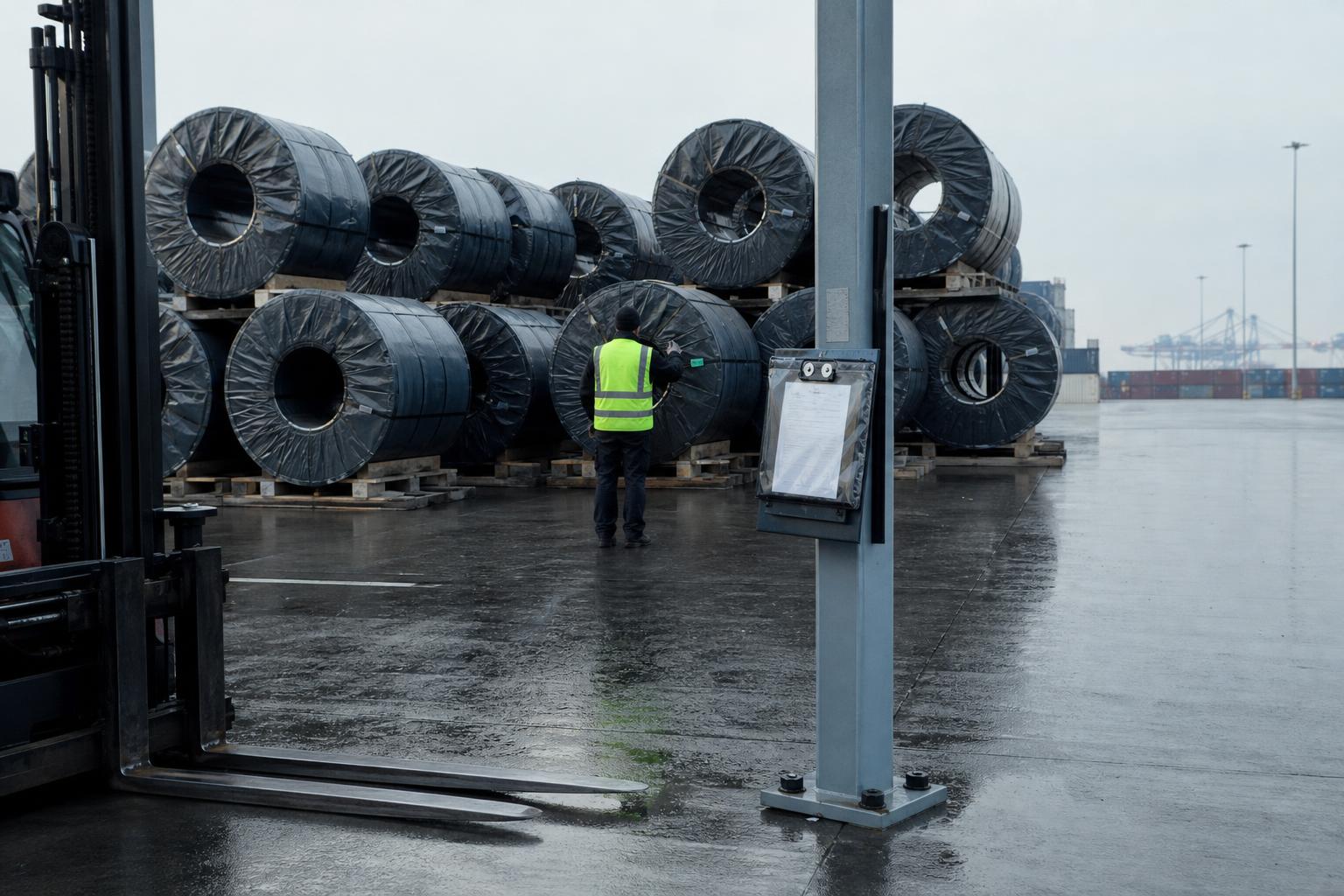
A tonne of steel now crosses into Europe with a new companion: an accounting of the carbon burned to make it, and a fee tied to that number. The carbon border adjustment mechanism is the first serious attempt to make emissions travel with goods, and its arithmetic is reorganising supply chains ahead of its own deadlines.
What actually happened
Europe priced carbon for its own factories years ago, then faced the predictable leak: production migrating to places without the price, returning as imports. The border mechanism closes the loop for the heaviest categories first — steel, aluminium, cement, fertiliser, electricity, hydrogen — charging importers the difference between the carbon price paid at origin and the European one.
Who pays, who gains
Formally, the importer pays. Practically, the fee flows both directions along the chain: back to exporters as pressure to decarbonise or discount, forward to buyers as price. Exporting countries with clean grids gain a tariff advantage they did not have to negotiate; carbon-intensive producers face a choice between cleaner processes and shrinking market access. The consumer pays a sliver on everything containing heavy materials.
The mechanism
The machinery is measurement. Every covered shipment needs verified emissions data from plants that often never measured them, which is why the first phase was reporting only — a global accounting apprenticeship. Default values punish the undocumented; accurate books become a competitive asset. Several other jurisdictions are drafting cousins of the mechanism, which is how a regional rule becomes a de facto standard.
What happens next
Coverage widens, free allowances shrink, and the paperwork hardens into infrastructure. The number to watch is not the fee revenue but the investment decisions upstream of it — furnaces electrified because the invoice finally counts the smoke.