EV electricity use grew 8%, not 24%, after the tax credit died
US EV electricity use rose 8% in 1H26, down from 24%, after federal tax credits expired in September 2025.
By The Ledger · · 4 min read
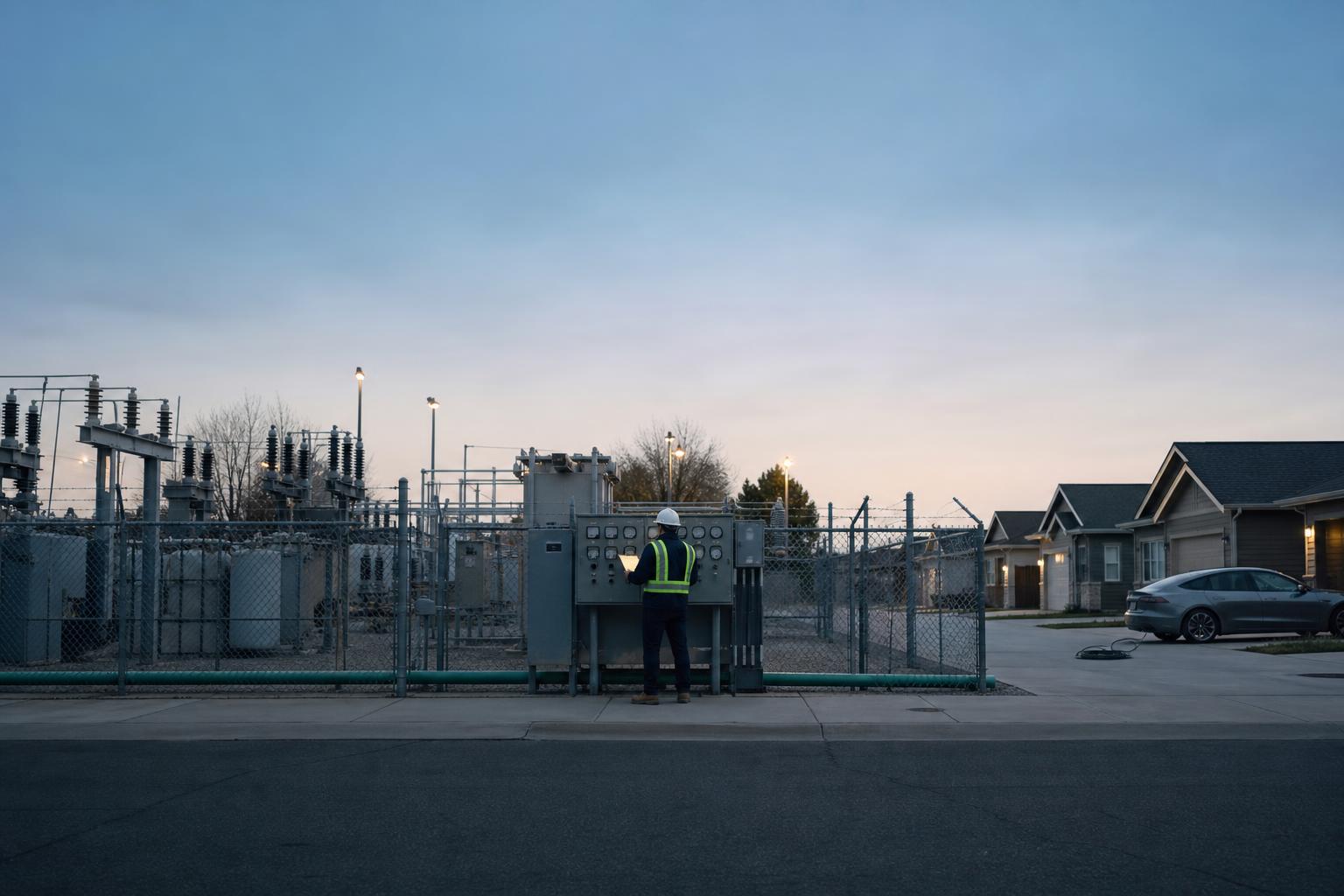
American electric vehicles used 14 billion kilowatthours of electricity in the first half of 2026, 8% more than the second half of 2025. A year earlier, that same six-month growth rate ran as high as 24%. The difference traces to one date: September 30, 2025, when federal tax credits for new electric vehicles expired.
The credit is gone, and so is a fifth of the sales
The New Clean Vehicle Credit and the Qualified Commercial Clean Vehicle Credit cut the purchase or lease price of new electric vehicles. Both ended on September 30, 2025, by statute, not by choice of any automaker. In the six months that followed, new electric vehicle sales fell 19% compared with the prior half-year, according to the U.S. Energy Information Administration's Monthly Energy Review.
Electricity demand lags sales by definition: a car bought last month barely dents a six-month consumption tally, while a car bought two years ago still draws power every week. So the 8% growth figure for the first half of 2026 reflects the installed fleet, not the new one. The newest arrivals, the ones that would have pushed growth back toward 13-24%, mostly didn't show up.
2% of the fleet still moved the needle
Electric vehicles, battery and plug-in hybrid combined, made up just 2% of all registered light-duty vehicles in the United States in 2024, the most recent year the EIA has full registration data for. That is a small base. It is also why a 19% sales drop barely dents total electricity demand: the fleet has doubled since the first half of 2023, and a slower addition rate still adds, it just adds less.
The arithmetic: if 2% of the fleet already draws 14 billion kilowatthours every six months, a full fleet transition would move an amount of electricity several orders larger. The slowdown changes the slope, not the destination. Utilities planning grid capacity care about the slope. Climate accounting cares about the destination. Both are watching the same number and reading it differently.
Who pays for a credit that no longer exists
Buyers paid most directly. The credits had shaved thousands of dollars off the purchase or lease price of a new electric vehicle. Without that subsidy, a buyer comparing a gasoline sedan to an electric one now faces the sticker price difference without federal help closing it. That is the most likely reason sales fell 19% in a single half-year, a sharper drop than any seen in the growth-rate data the EIA has tracked.
Automakers absorb a second-order cost: inventory planned around credit-era demand now sits against a smaller buyer pool. Utilities absorb a third cost, or rather a deferred benefit: slower electricity demand growth from EVs means slower revenue growth from a category many had built long-term capacity plans around. None of these costs show up on a single invoice. They show up in the growth rate the EIA just revised down.
The model counting this data didn't exist a year ago
There's a mechanical wrinkle worth noting before anyone treats this number as precise. The EIA does not meter EV charging directly through its traditional surveys. It estimates consumption using what it calls a "recently finalized model" built on external data sources, covering on-road, light-duty vehicles weighing 8,500 pounds or less. That model folds in both battery electric vehicles and plug-in hybrids, since both pull from the grid, while excluding hybrids and fuel-cell vehicles that don't.
That means the 8% figure is an estimate layered on an estimate: an inferred consumption number, drawn from a model the agency only recently finished, applied to a fleet whose composition itself is partly inferred. The EIA says it will keep publishing this series in its Monthly Energy Review and State Energy Data System, which suggests confidence in the method, not certainty in each individual point. Treat the direction, 8% versus a prior range of 13-24%, as the reliable part. Treat the exact decimal as a working estimate.
The next six months will show whether this was a pause or a ceiling
Two things can make this number move again, and both are observable, not speculative. First, state-level incentives: several states still offer their own electric vehicle rebates independent of the federal credit, and any state expanding or cutting those programs will show up in regional sales data before it shows up in the national electricity figure. Second, model-year pricing: automakers can still cut sticker prices to offset the lost federal credit, and if enough of them do, sales could recover without any new subsidy.
If neither happens, the 8% growth rate is a new baseline, not a dip. The EIA's own framing, "slowing," rather than "reversing," suggests the agency expects continued growth, just smaller. The number to watch next is the second-half 2026 sales figure, due in the EIA's own future releases: another decline would confirm the credit's expiration did more than interrupt one year's sales, and buyers, not just automakers, are the ones still deciding whether the sticker price was ever the reason they bought electric in the first place.