Terawatts of clean power are stuck in a queue
The projects exist and the money exists. The paperwork to plug them in is the bottleneck.
By The Ledger · · 2 min read
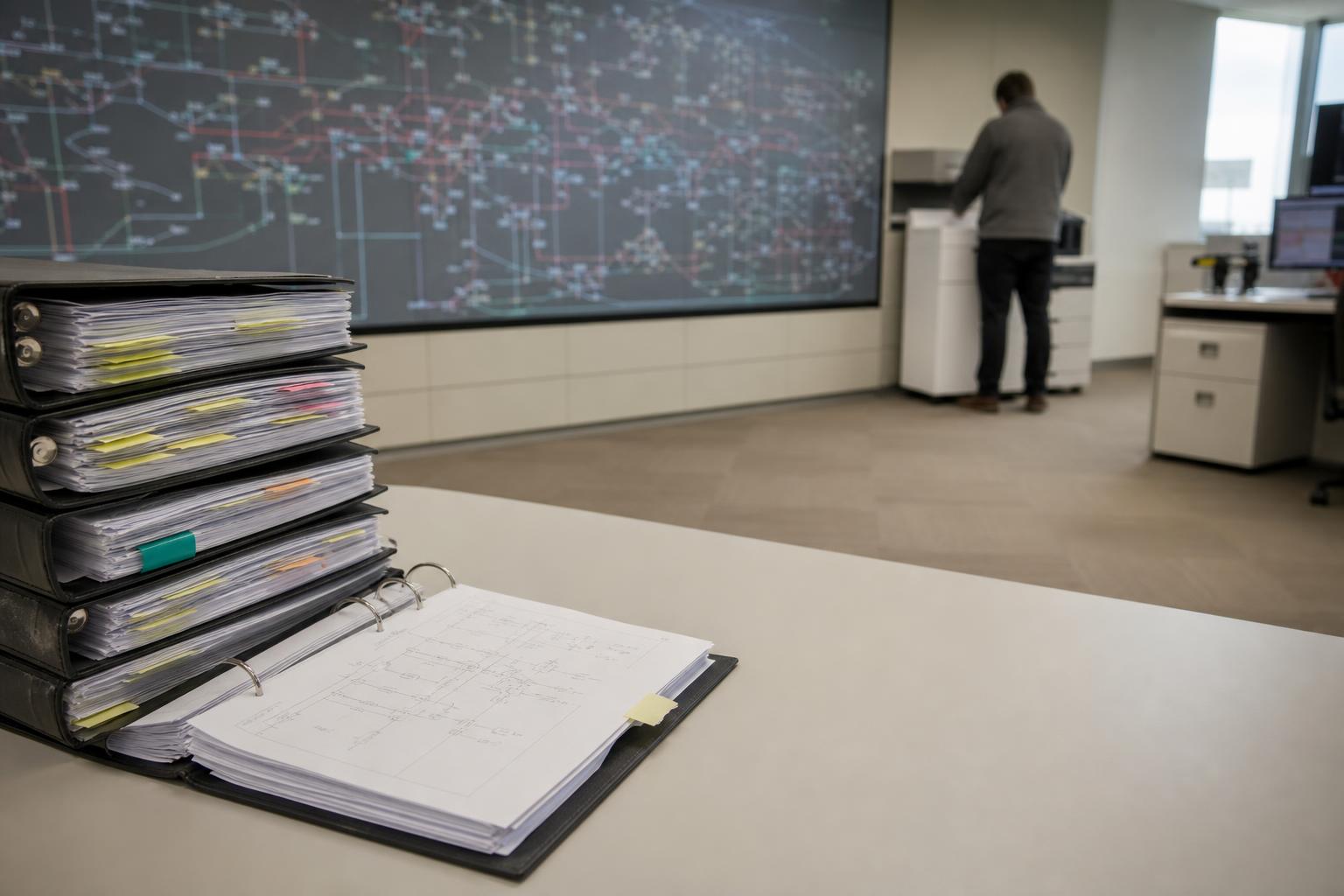
The renewable projects waiting for permission to connect to grids now add up to terawatts — several times what some entire countries generate. The turbines are buildable, the finance is willing, and the queue to plug in runs to years. The energy transition's binding constraint is, at this moment, an application backlog.
What actually happened
Grids were engineered for a few hundred large power stations; the transition proposes hundreds of thousands of small ones. Every connection request triggers studies — will this line overload, who funds the upgrade — designed for an era of one applicant a month. First-come-first-served queues filled with speculative placeholders, and real projects aged behind them.
Who pays, who gains
Delay is not free. A wind farm waiting four years is capital paying interest on nothing, and the cost rolls forward into the power price the eventual customer pays. Meanwhile the incumbent generators enjoy a quiet subsidy: every queued competitor is a competitor not yet competing.
The mechanism
Reforms cluster around three moves: study clusters of projects together instead of one by one; charge deposits that evaporate speculative entries; and build transmission ahead of demand rather than litigating it afterwards. Where cluster studies and deposits have been adopted, queues have shortened measurably. Transmission remains the slow half — a new long-distance line can take a decade of permitting for two years of construction.
What happens next
Storage co-located with generation dodges part of the problem, and grid-enhancing technologies squeeze more from existing wires. But the arithmetic is stubborn: connection reform is measured in months saved per project across thousands of projects, which makes the dullest queue in infrastructure one of the highest-leverage climate policies available. Who pays for inaction is already settled — it is itemised on the power bill.