When the insurer leaves, the price arrives later
Home insurance withdrawal is the climate signal that reaches households before the water does.
By The Ledger · · 2 min read
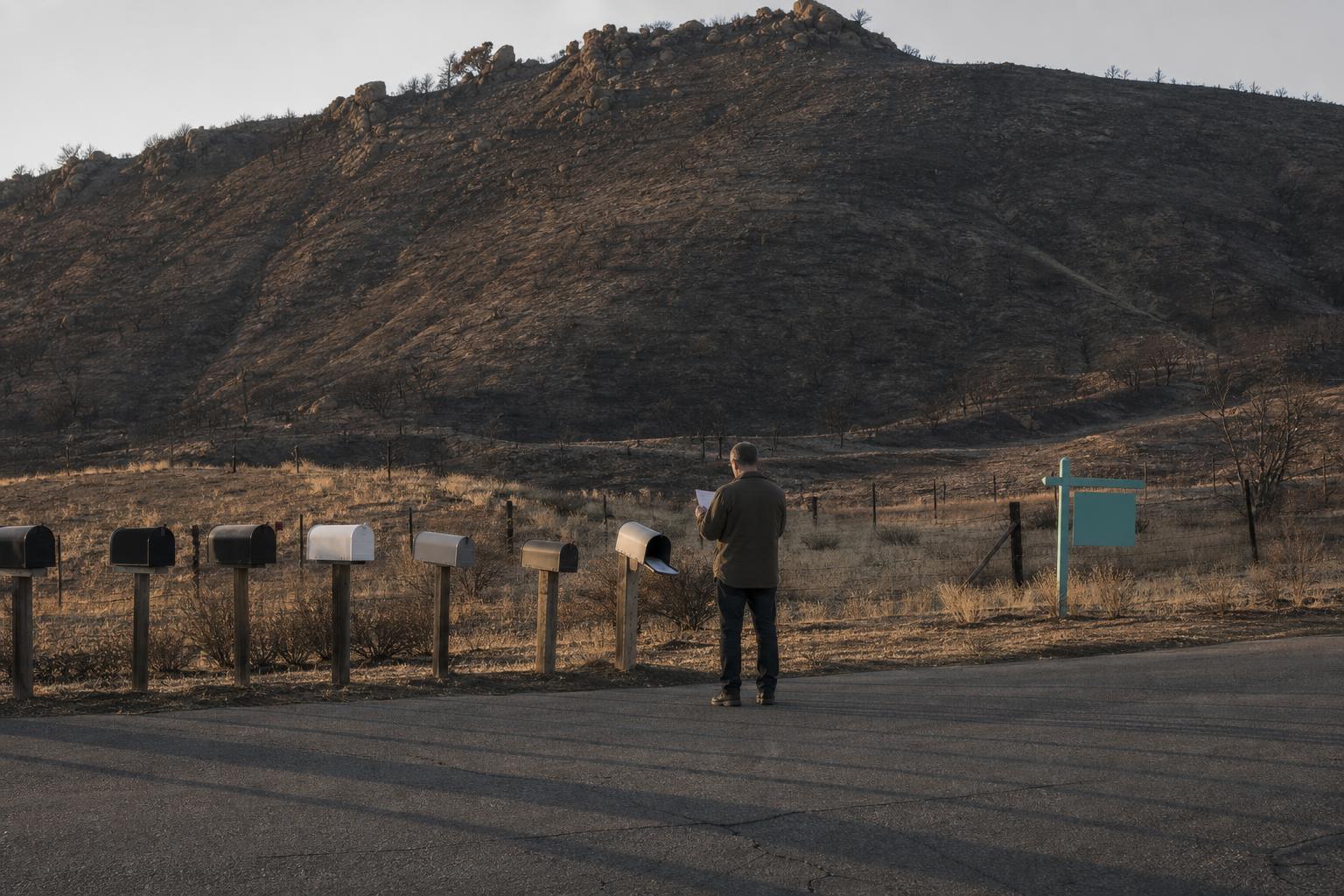
An insurer declining to renew a policy is a one-page letter with a long echo. Before the flood maps update and long before any government speaks, the withdrawal reprices the house, the street, and eventually the town. Insurance is where climate risk stops being a projection and becomes a bill.
What actually happened
In high-risk regions — wildfire belts, cyclone coasts, floodplains — major insurers have restricted new policies, non-renewed old ones, or left entire markets. State-backed insurers of last resort, designed as small safety nets, have swollen into some of the largest carriers in their regions, concentrating exactly the risk the private market refused.
Who pays, who gains
The household pays three times: premiums that have risen far faster than general inflation in exposed areas; deductibles and exclusions that hollow out what the premium buys; and, least visibly, property values that adjust to what the next buyer's lender will insure. A home that cannot be insured cannot be mortgaged, and a home that cannot be mortgaged is worth its cash price only.
The mechanism
Insurance reprices annually, which makes it the fastest-moving climate signal in the economy. Reinsurers — the insurers' insurers — read the loss models first and raise the wholesale price of risk; retail carriers pass it through or leave. Regulators who cap premiums slow the letter but not the logic: suppressed prices become withdrawn coverage.
What happens next
Expect more parametric products that pay out on a measured trigger rather than an adjuster's visit, more public risk pools, and sharper arguments about who funds defence — the sea wall being cheaper than the payouts it prevents. The constraint nobody mentions: adaptation spending is voted annually, while risk compounds continuously. The letters will keep arriving first.