15,000 miles buys a Riyadh seat the airport may not open
Delta launches Atlanta–Riyadh flights days after a strike killed 12 at the destination airport.
By The Route · · 5 min read
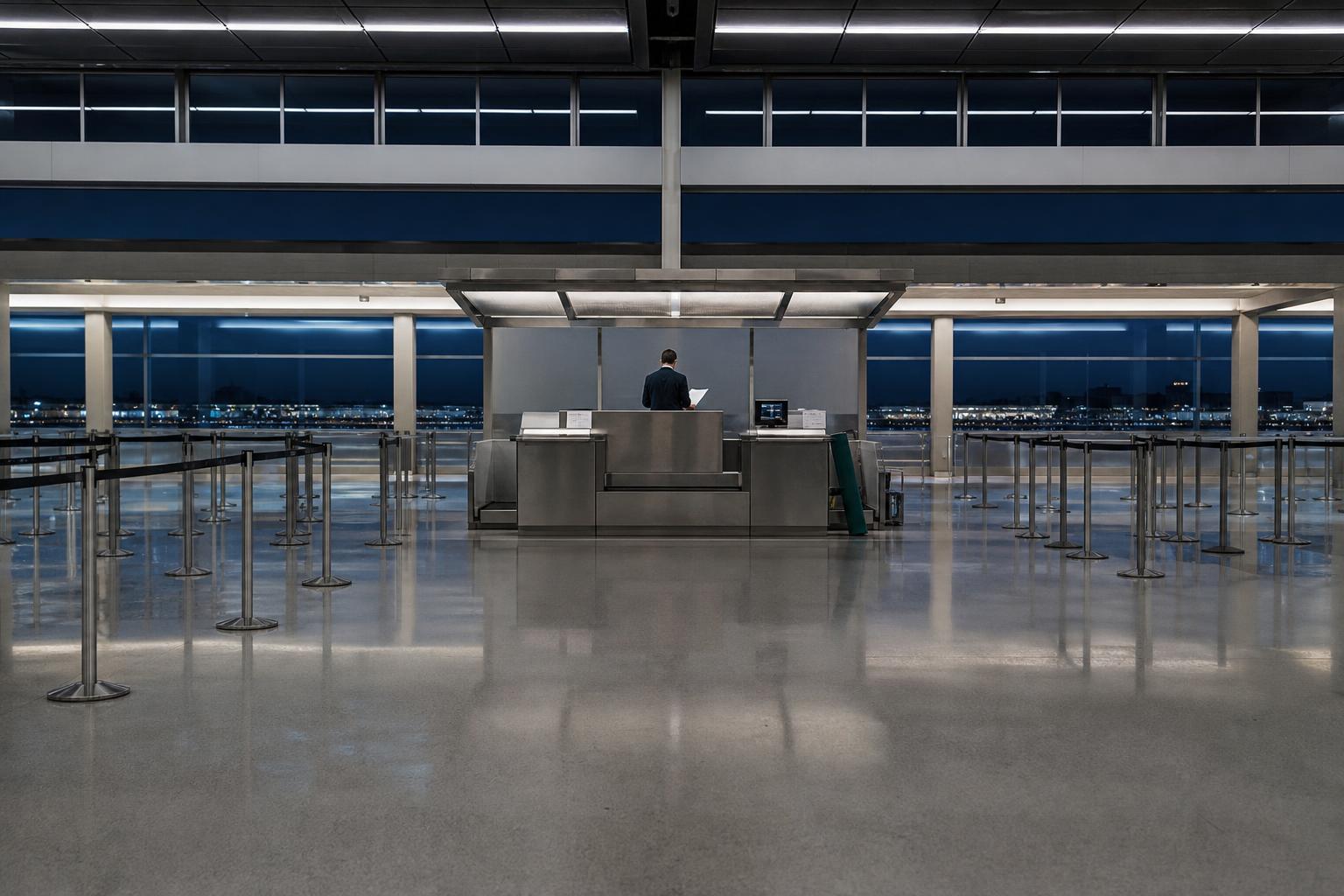
Delta Air Lines is scheduled to fly nonstop from Atlanta to Riyadh starting October 23, the first U.S. carrier to do so. It launches the route roughly two weeks after a strike on King Khalid International Airport killed at least 12 people and injured more than 300, forcing the airport to suspend operations again. As of this writing, Delta has not postponed.
12 dead, 300 injured, one airport closed twice in a week
That figure comes from Saudi authorities, who reported the October 10 strike on King Khalid International Airport as the most serious of a string of attacks claimed by Iran-backed Houthi forces based in Yemen. It was not the first disruption. The airport had already suspended operations once before in the same week. Two closures in seven days is not an anomaly in a conflict zone's flight schedule — it is the schedule.
Riyadh ($1 = 3.75 Saudi riyal, a peg unchanged since 1986) sits roughly 970 kilometers (600 miles) from Yemen's northern border, well within range of the drones and missiles the Houthis have used against Saudi infrastructure since 2015. The airport attacks are not new in kind. What's new is a U.S. airline betting a long-haul, widebody route on the assumption that they stay survivable.
Why 15,000 miles sounds like generosity and reads like a signal
Delta was offering one-way award seats to Riyadh for as little as 15,000 miles in August — roughly a quarter of what a typical transatlantic business- or premium-economy redemption costs on the airline's chart, and in the range SkyMiles members usually see on short domestic hops, not nine-hour intercontinental sectors. Delta framed it as an introductory push to build awareness of a new destination, which is standard practice for a route with no established U.S. demand base. It is not, by itself, proof the flight was struggling to fill seats; new routes routinely launch on soft pricing before yields settle.
But an aggressive mileage price on a route into a market that press coverage has been treating as a war zone for eight months reads differently than the same price into, say, Naples or Nairobi. Fifteen thousand miles is the number an airline uses when it needs people to say yes before they've had time to check the news.
The catch
The catch is that Virgin Atlantic, in which Delta holds a 49% stake, already made the opposite call. Virgin cancelled its London–Riyadh service in April, citing the conflict directly, along with its own safety assessments and the practical difficulty of running a reliable schedule into an airport that keeps closing. Two airlines under common ownership looked at the same security environment and reached different conclusions within six months of each other. Either Delta's risk tolerance differs meaningfully from its affiliate's, or conditions have shifted enough since April that Delta's calculus is newer information, not a disagreement. Delta hasn't said which, and a route launch ten days after a fatal strike is itself a kind of answer, even an unintentional one.
What $285 billion in tourism ambition has to do with 300 injuries
Saudi Arabia's Vision 2030 tourism targets — 150 million annual visits, a sector contributing roughly 10% of GDP — depend on exactly the kind of long-haul, premium-cabin air service Delta is now providing. Riyadh isn't Jeddah or Mecca; it's a business and government capital trying to build leisure and conference traffic from scratch, and nonstop U.S. service from a hub the size of Atlanta is the sort of infrastructure that target requires. flynas and other domestic carriers can move people inside the kingdom; getting Americans to come at all needed this route, or one like it.
That makes the timing collide rather than coincide. An airport under intermittent attack is the opposite of the reliability that premium international travelers — the ones Saudi tourism planners most want, who buy multi-night hotel packages and extend into Riyadh Season programming — price into a destination decision. A traveler comparing Riyadh to Dubai or Doha this winter is not just weighing flight cost. They're weighing the plausibility that their return flight home operates on schedule from an airport that has twice suspended operations in a single week.
What the strike does to the flight, not just the story
Nothing in Delta's public position yet reflects the October 10 strike as a scheduling input. That's the detail worth sitting with. Airlines routinely adjust or suspend service to airports hit by attacks — Virgin's April cancellation is the house example — but Delta's silence on postponement, as of this writing, means the October 23 launch proceeds on the pre-strike plan. Either Delta's security assessment concludes the risk to a scheduled widebody landing is acceptably low, or the commercial commitment — aircraft positioned, crews scheduled, a marketing push already run — has enough inertia that reversing it costs more than the airline is currently willing to pay. Both can be true at once.
A per-day travel budget for Riyadh currently runs around 1,200–1,800 riyal ($320–$480) for a visitor staying in a business-class hotel and eating at mid-range restaurants, before accounting for the mandatory tourist visa fee of 300 riyal ($80) most Western travelers now pay on arrival or online. None of that budget line accounts for trip insurance against a canceled or diverted flight out of a conflict-adjacent airport, which is not a standard inclusion in most travel policies sold in the U.S. market and is worth confirming before booking on miles that feel too cheap to question.
When this route stops making sense
The flight makes sense for business travelers with fixed meetings and flexible return dates, and for the kind of early-adopter leisure traveler Delta's mileage pricing was clearly designed to attract. It stops making sense the next time King Khalid International suspends operations with an inbound Delta aircraft in the air, or the next time the Houthis claim a strike during a week Delta has sold seats against. Until then, the 15,000-mile fare is a real bargain. It's just a bargain priced by an airline that has not yet told anyone, including itself, what it will do if the airport closes a third time.