JetBlue’s first-class bet needs six years, not one
BlueFirst seats arrive fleetwide by 2028, betting mattress foam and bento boxes end six years of losses.
By The Route · · 5 min read
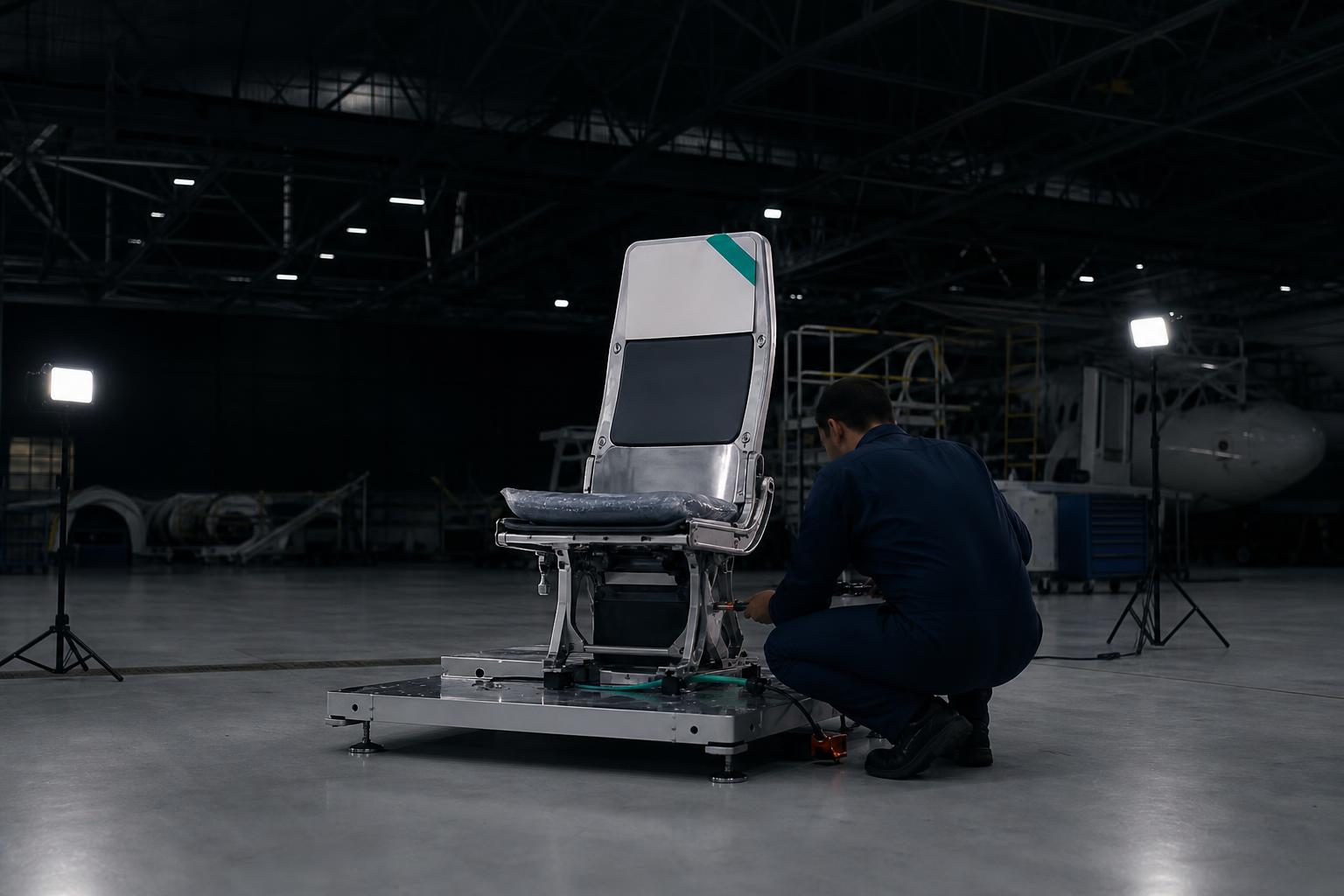
JetBlue has lost money for six straight years. Its answer is a seat: a 2x2 domestic first-class cabin called BlueFirst, built with mattress foam from Tuft and Needle, seven extra inches of legroom, and a bento box on flights over 899 miles. It arrives on the first aircraft before the end of 2026 and reaches a "majority" of the fleet by the end of 2027, with retrofits finishing in 2028.
For the traveler booking a fall 2027 flight from Fort Lauderdale to Boston, this changes what $79 in economy versus roughly $250-350 in first class buys: a wider recliner, a 13.3-inch Bluetooth-ready screen, priority boarding, and — if flying "flex" or standard fare — two free checked bags worth up to $140 combined at JetBlue's current rates, plus no change fees. The "basic" first-class tier, still being finalized, will strip some of that back. Access to JetBlue's BlueHouse lounges in New York and Boston isn't automatic even at full fare; it depends on route and fare class, which means the traveler comparing this to American or Delta's domestic first class needs to check the fine print before assuming parity.
JetBlue skipped domestic first class for two decades, and the gap shows in the math
American Airlines, Delta and United have sold a standard domestic first-class cabin for decades. JetBlue built its reputation instead on all-economy comfort — extra legroom in "Even More Space," free snacks, seatback screens for everyone — and reserved genuine premium spending for Mint, its lie-flat product on longer domestic and international routes. That strategy worked when low-cost carriers were undercutting legacy airlines on price. It stopped working once premium leisure travel became the industry's main profit engine and JetBlue had no seat to sell into it on the vast majority of its network.
The carrier announced plans for a domestic first-class seat nearly two years before this week's unveiling, which tells you how long the gap between recognizing the problem and fixing it can run in an industry where seats are certified, manufactured and installed on a schedule measured in years, not quarters. Collins Aerospace — the same manufacturer supplying American's first-class seats — builds the shell; JetBlue's customization is the foam, the screens, the branding decal on the headrest. The seat is not proprietary. The bet is entirely on the experience layered onto it.
The catch: this seat needs premium demand to keep growing at 2026's rate, not fall back to normal
JetBlue's own numbers show premium unit revenue rose 13 percent in the second quarter of 2026, and executives project BlueFirst will add nearly five points to revenue per available seat mile once installed. Both figures assume the post-pandemic premium-travel surge holds through 2027 and 2028 — the exact years JetBlue needs the seats generating cash to hit its stated target of $1 in earnings per share by 2028. If premium demand normalizes, or if fuel prices rise past what the company's plan assumes, the seats still cost the same to build, certify and install, but the revenue they were meant to produce shrinks. A retrofit program locked in three years ago can't be un-ordered because the market shifted in year two.
There's a second cost the announcement doesn't total: cabin space. A121 aircraft carry 16 BlueFirst seats; A220s and A320s carry 12. Every row converted to a 2x2 first-class configuration is a row of coach seats JetBlue no longer sells at economy prices on routes where it once competed on being the cheap, comfortable option. The airline is betting the first-class fare premium — likely two to three times the economy fare on a given route — clears that opportunity cost. On routes with weak business demand, it may not. JetBlue hasn't published route-by-route seat-mix economics, and it's the number that would actually tell a flyer, or a competitor, whether this pencils out.
The open question: does BlueFirst compete on seat, or on ecosystem?
American, Delta and United sell first class as one piece of a loyalty system — elite status, lounge access, co-branded cards, upgrades — that JetBlue's TrueBlue program doesn't yet match at scale. A better seat with bento boxes and mattress foam is a real product improvement, but the legacy carriers' domestic first class often sells itself through status perks unrelated to the hardware. Whether business travelers switch carriers for a nicer seat alone, absent an equivalent loyalty ecosystem, is the question JetBlue's 2027 revenue targets depend on and haven't yet answered publicly.
When does BlueFirst show up on your booking?
Bookings open in fall 2026, with the first BlueFirst aircraft flying before year's end; most of the fleet won't have the seats until late 2027, and full retrofit runs to 2028 — so a flight booked today on most routes still won't have it.
Does the free checked-bag perk apply to every BlueFirst fare?
No — the two free checked bags, Group 1 boarding and fee-free changes apply to standard and "flex" BlueFirst tickets; the planned "basic" first-class fare comes with restrictions JetBlue hasn't fully detailed.
Skip it if you're booking on price alone before 2027
Through most of 2026, BlueFirst exists on a handful of aircraft, which means the odds of it showing up on any specific route booked today are low, and the premium fare for the older first-class-adjacent seating on other planes won't buy the same mattress foam or bento box. The seat is worth chasing once JetBlue publishes which routes have the retrofit complete — not before, and not on the strength of a press release describing a cabin most travelers won't sit in for another year.