Malaysia’s second India sales mission, priced out
Malaysia runs a second India roadshow chasing 700,000 arrivals. The ringgit math shows why India still books Bangkok instead.
By The Route · · 5 min read
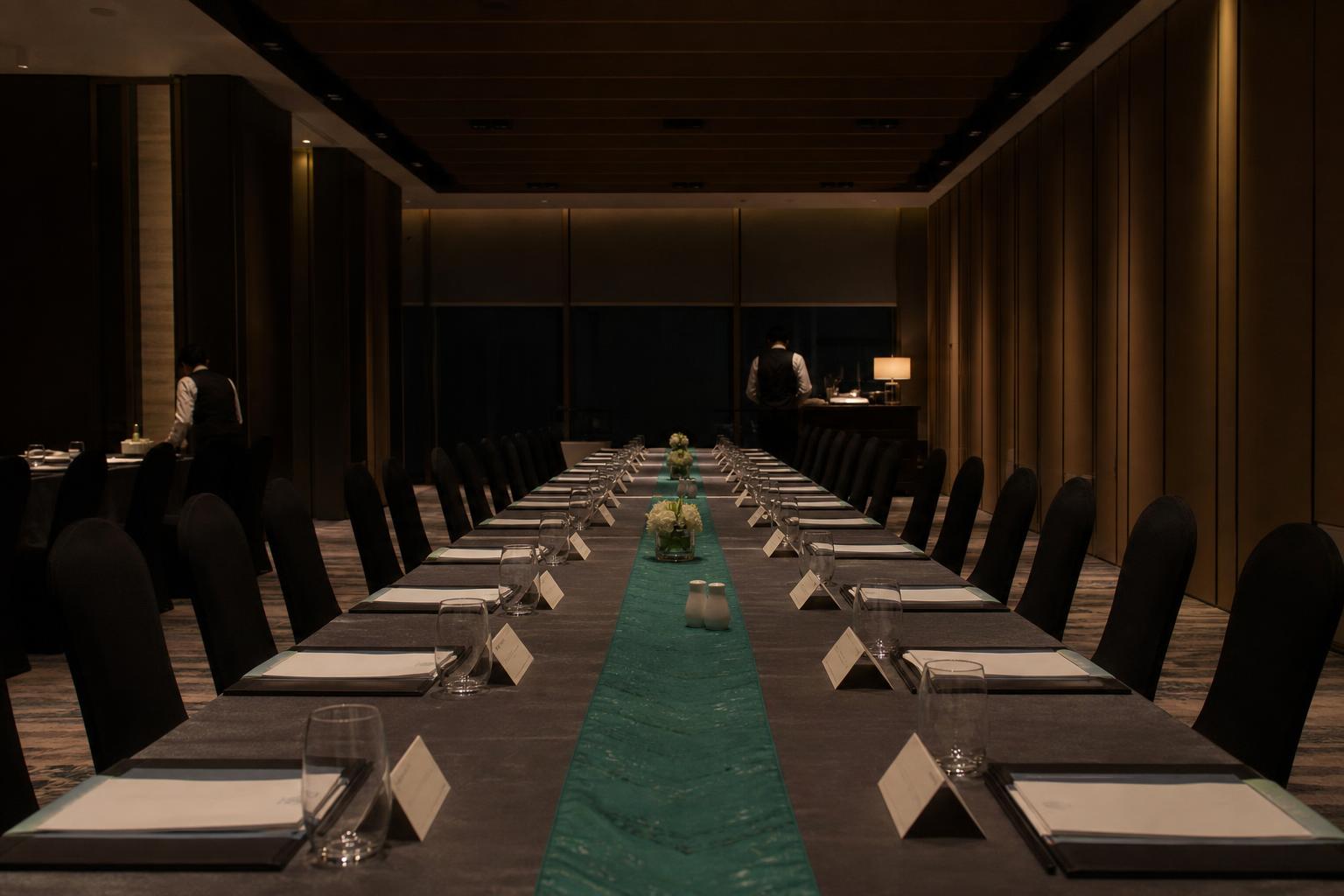
Tourism Malaysia has launched "Sales Mission Series 2," a second round of roadshows across Indian cities this year, after the first pushed Indian arrivals up but not to where the country's own targets sit. Malaysia is chasing roughly 734,000 Indian visitors for 2025, a number it has publicly repeated since a target was set post-pandemic, and it is still short of the 2019 baseline of around 700,000 by most trade counts. A second mission in the same calendar year is not routine follow-up; it is a country admitting the first push didn't close the gap.
What actually happened
Tourism Malaysia's board, working through its regional offices in Mumbai, Delhi and Chennai, is running a fresh round of sales missions and roadshows aimed at Indian travel agents, corporate travel buyers and MICE (meetings, incentives, conferences, exhibitions) planners. The first mission earlier in 2025 focused on trade familiarisation — getting Malaysian hotels, tour operators and attractions in front of Indian wholesalers who package outbound holidays. Series 2 extends that into more tier-2 Indian cities, betting that demand outside Mumbai and Delhi is underdeveloped.
The timing matters. India is now one of the largest outbound travel markets in the world by trip volume, and Southeast Asian destinations compete hard for a traveller who has more first-time passport holders each year and a rupee that buys less abroad than it did three years ago. The Reserve Bank of India's own data puts the rupee around ₹88 to the US dollar through late 2025, a level that makes every foreign hotel night, transfer and meal cost an Indian traveller more than it did in 2022, when the rate hovered near ₹78.
Who pays, who gains
Malaysian hoteliers and tour operators gain if the mission converts trade contacts into booked package tours — commissions typically run 10-15% for outbound Indian agents, paid by the Malaysian receiving end, not the traveller. Malaysia's government absorbs the direct cost of the roadshows: venue hire, familiarisation trips for Indian agents, marketing collateral. Tourism Malaysia's annual promotional budget has historically sat in the range of RM100-150 million (roughly $21-32 million) across all source markets, so a multi-city India push is a real but not enormous slice of that.
The traveller pays the arithmetic that hasn't moved: a five-night Kuala Lumpur and Langkawi package sold through an Indian wholesaler typically runs ₹55,000-75,000 per person ($625-850) excluding international airfare, and Delhi-Kuala Lumpur round-trip fares on AirAsia or Malaysia Airlines average ₹22,000-30,000 ($250-340) in shoulder months, more than double that in December. Thailand, Malaysia's direct competitor for the same Indian traveller, still undercuts on package price by roughly 15-20% in most trade comparisons, largely because Bangkok's hotel supply is deeper and its low-cost carrier capacity from India is denser.
The mechanism
Sales missions work by fixing an information problem, not a price problem. An Indian travel agent in Ahmedabad or Coimbatore who has never taken a familiarisation trip to Malaysia will default to selling what they know — Thailand, Singapore, Bali — because those are the itineraries with established supplier relationships and pre-negotiated commission structures. Tourism Malaysia's roadshows exist to put Malaysian hotel groups and destination management companies in a room with agents who control what gets pitched to Indian families booking a first big foreign holiday.
But a roadshow cannot fix the ninety-day visa clock, the airfare gap or the rupee. Malaysia has offered visa-free entry to Indian passport holders since December 2023, which removed one real friction — previously an e-visa took three to five working days and cost roughly ₹8,000-9,000 in service fees. That change did lift arrivals, and Tourism Malaysia credits it for a large share of the post-2023 recovery. What it hasn't done is close the airfare and package-price gap with Thailand, which runs more daily flights from more Indian cities and has a hotel base built for volume tourism at lower average room rates — Bangkok's three-star average runs roughly ฿1,800-2,500 a night ($50-70) against Kuala Lumpur's comparable ₹6,000-8,500 (RM320-460, or $70-100).
The mission, in other words, is marketing layered on top of a cost structure it cannot change. It can move an agent's recommendation. It cannot move the exchange rate or add hotel rooms.
What happens next
Watch two numbers, not the roadshow itself. First, Indian arrivals to Malaysia for full-year 2025, expected to be reported by Tourism Malaysia in early 2026 — if the figure lands meaningfully below 700,000 despite two sales missions and visa-free entry, the roadshow model will have been tested and found insufficient on its own. Second, watch whether Malaysia Airlines or AirAsia add India capacity in 2026; new routes from tier-2 Indian cities like Ahmedabad, Pune or Jaipur would do more to shift volume than another trade event, because capacity determines fare, and fare is what an Indian agent is actually selling against Thailand's.
If a rupee move below ₹90 to the dollar happens in 2026, expect Malaysia's numbers to soften further regardless of how many roadshows run, because the package price gap with Thailand widens in dollar terms even if nothing in Malaysia itself changes.
FAQ
Does visa-free entry mean Indian travellers pay nothing to enter Malaysia?
It removes the visa application fee, roughly ₹8,000-9,000 previously, and the three-to-five-day processing wait. It does not reduce airfare, hotel cost or the mandatory international travel insurance many Indian outbound agents still bundle into packages.
Why does Thailand keep winning against Malaysia for the same Indian traveller?
Mainly flight density and hotel supply. Thailand has more direct routes from more Indian cities, which pushes airfares down through competition, and a much larger inventory of budget-to-midrange hotels built specifically for high-volume regional tourism, which Malaysia's smaller Langkawi and Penang hotel base can't match at the same price point.
Is a second sales mission in one year unusual?
It signals urgency rather than routine cycling. Most national tourism boards run one major India-focused push a year timed to trade calendars like SATTE or OTM; a second, targeting different cities, suggests the first didn't reach the volume of trade partners or bookings the board wanted, and the gap to the 700,000-visitor benchmark is being treated as a live problem rather than a rounding error.