Short-term rental caps are repricing the city break
Registration regimes and night caps are shrinking rental supply in centres. What it means for your booking.
By The Route · · 2 min read
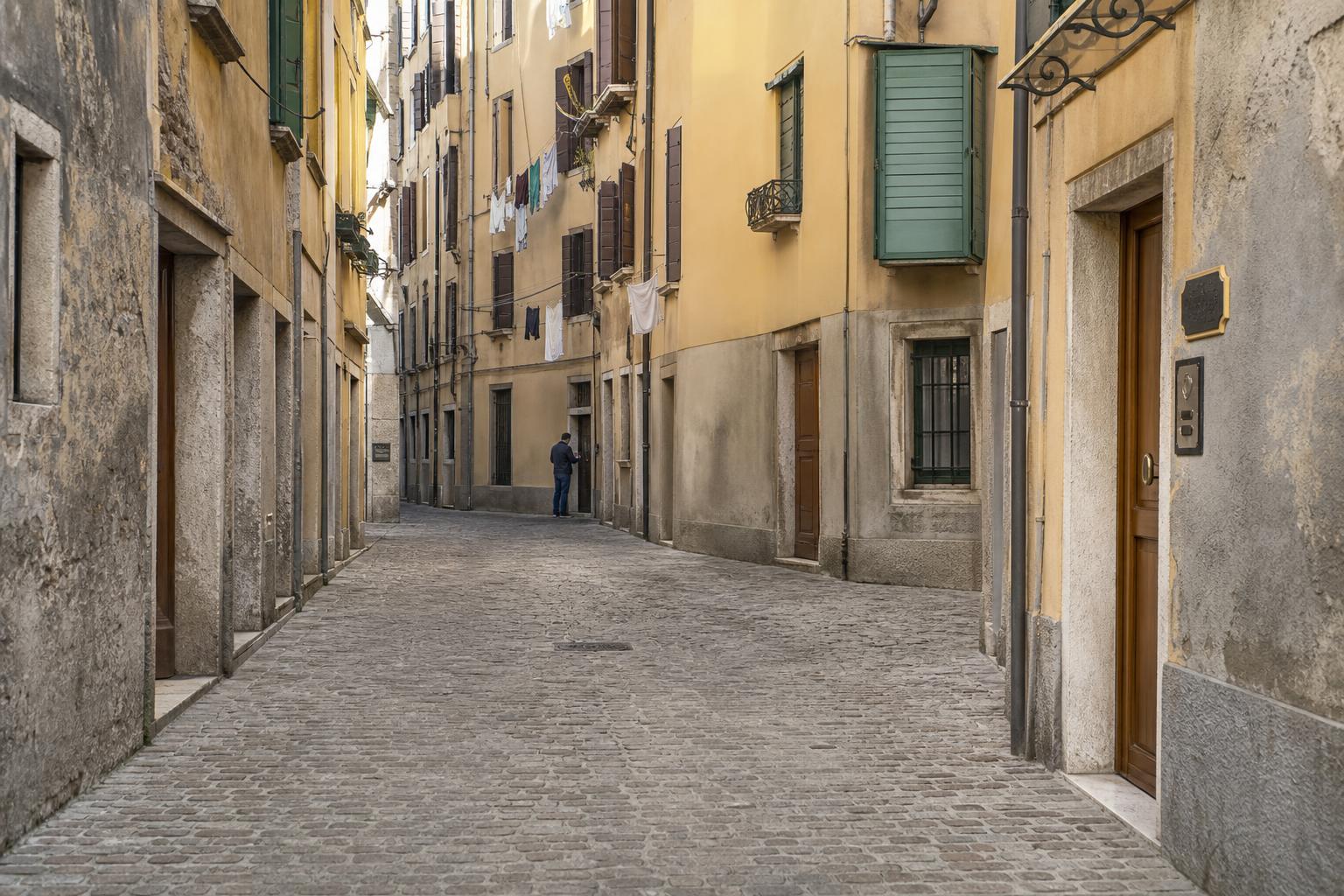
In a growing list of major cities, the apartment you used to book for a weekend now needs a licence number, a night cap, or does not legally exist. The regulation wave against short-term rentals has moved from threat to enforcement — and it is quietly repricing the city break.
What actually happened
City after city adopted some mix of registration, primary-residence-only rules, annual night caps and outright zone bans, with platforms required to delist the unregistered. The driver is arithmetic residents feel daily: whole-apartment tourist lets compete directly with the local rental stock, and in tight centres the tourist wins the bidding.
The arithmetic for the traveller
Fewer legal listings means the surviving ones price higher, and hotels — the regulated incumbent — regain share. For stays under four nights the hotel now frequently wins on total cost once cleaning fees are counted; the rental's edge concentrates where it was always real, in kitchens, laundry and groups. Book listings that display a licence number; the bargain without one can be cancelled by a compliance sweep, at your expense.
The catch
Enforcement is uneven, and the delisted supply does not vanish — some of it migrates to grey channels with no platform protections at all. That discount is not a discount; it is unpriced risk.
For the place, not just the visitor
Early evidence from strict cities shows some units returning to long-term rental, though fewer than campaigners hoped — regulation redistributes more than it restores. Either way, residents are readers of this column too: their housing market is the room you sleep in.
When not to go
Event weekends in capped cities, when compressed supply does what compressed supply does. The same city, the week after, has rooms and its own people in the cafés.