The $49 fare costs $130. Here is the arithmetic.
Unbundled airfares moved the price into the fees. How to read a fare like the airline reads you.
By The Route · · 2 min read
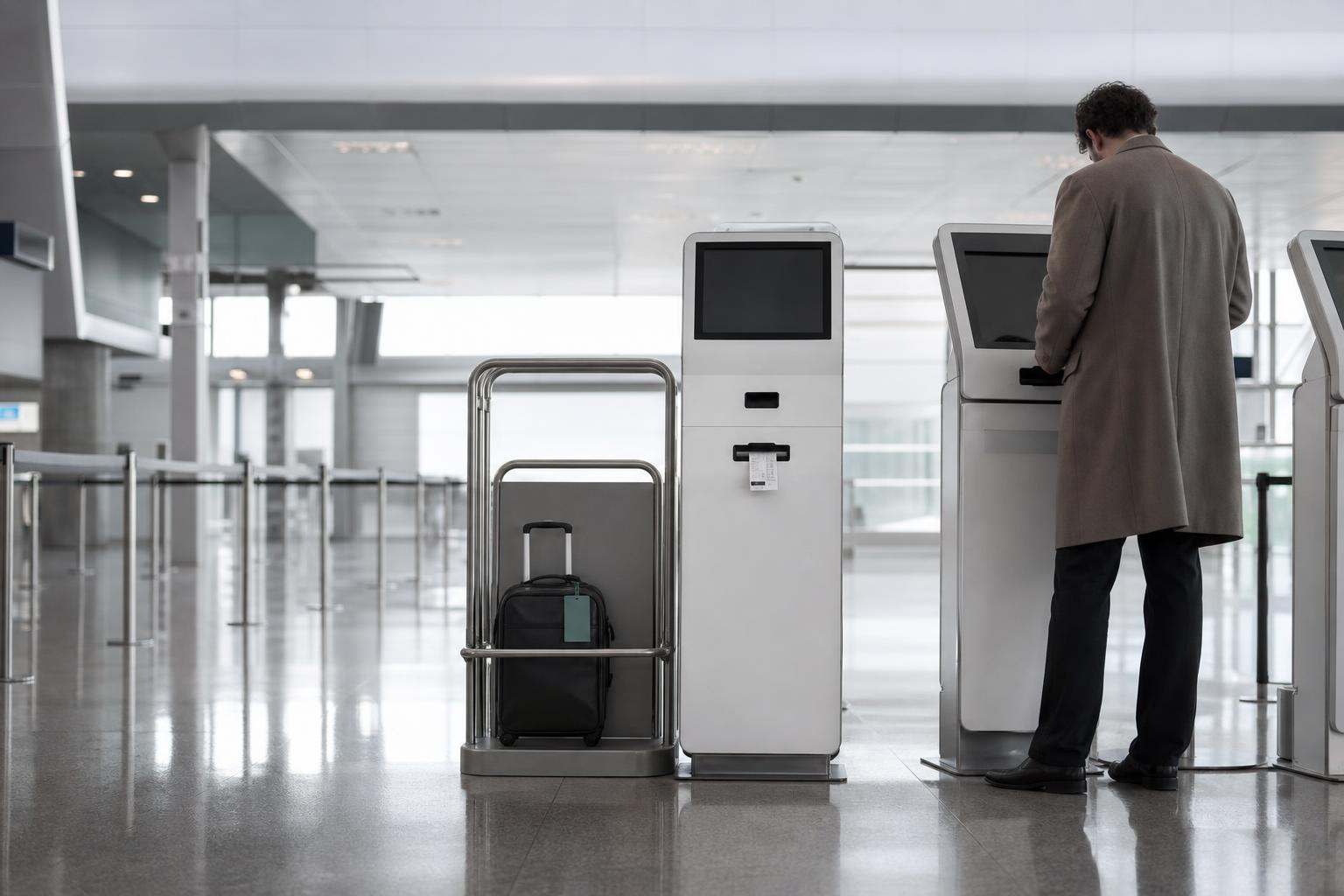
The advertised fare is not the price. On a typical low-cost booking, the seat, the bag, the boarding order and the ability to change your mind are sold separately, and the checkout total lands at two to three times the number that made you click. This is not deception exactly. It is unbundling, and it rewards travellers who read it correctly.
What actually happened
Ancillary revenue — everything beyond the base fare — grew into a decisive share of low-cost airline income; on some carriers it exceeds the fare itself. The base price became a search-ranking instrument: it exists to win the comparison site, and the recovery happens in the funnel.
The arithmetic for the traveller
Price the trip, not the fare: seat selection, cabin bag, checked bag, and the card fee, before comparing. A structured fare bundle on a "full-service" carrier frequently beats the low-cost total once two extras are added — and includes the change flexibility the cheap fare sells back at a premium. The single best-value item on most menus is the checked bag bought at booking; the worst is the same bag bought at the gate, where the price is a penalty wearing a price tag.
The catch
The fees are also behavioural: randomised seating that separates parties unless paid, countdown timers, pre-ticked insurance. None survive a calm reader. The one genuine trap is cabin-bag sizing enforced by the centimetre on the days the flight is full — the airline is not measuring your bag, it is measuring the overhead bins.
When not to go
The unbundled model is at its worst on peak-holiday routes where every seat sells regardless. Fly the same route ten days off-peak and the fees soften, the queues halve, and the $49 fare occasionally means it.