The entry-fee era: cities are pricing the crowd
Day-tripper charges and timed tickets are spreading. What they cost, what they fix, and what they don’t.
By The Route · · 2 min read
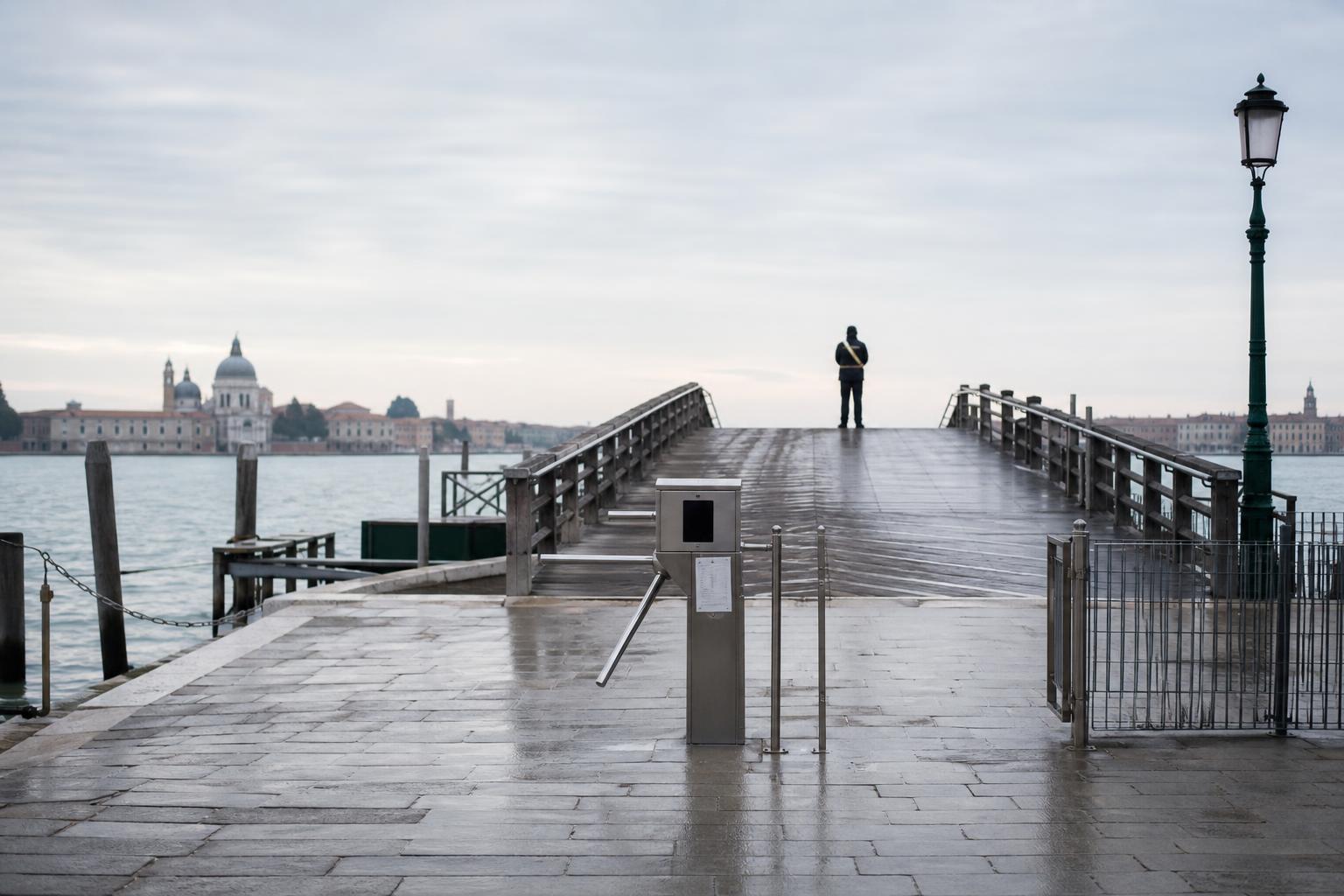
A handful of the world's most-visited places now charge you simply to arrive on a busy day. The fees are small — usually the price of a coffee and a pastry — and the argument around them is enormous: whether a city can meter its own crowd.
What actually happened
Lagoon cities, alpine villages and cliff-edge towns have introduced day-visitor charges, timed entry slots, coach caps and cruise limits. The stated goal is rarely revenue — the sums are modest against municipal budgets — but data and deterrence: knowing who comes, and shaving the worst peaks.
The arithmetic for the traveller
Budget the fee as noise: a few units of currency on a trip costing hundreds. The real cost of the crowd was always time — the ninety-minute queue, the unbookable table — and a fee small enough to be painless is small enough to deter almost no one, which early results in the pioneer cities suggest is exactly what happens. Timed slots, not prices, do the measurable work.
The catch
Fees can become a licence to overtour rather than a brake — a city that monetises the crowd acquires a budget line that argues for the crowd. And enforcement is friction: registration apps, QR checkpoints, exemption paperwork for the aunt visiting family. Residents queue at their own gates when systems are designed badly.
For the place, not just the visitor
The deeper accounting is municipal: overnight guests pay lodging taxes that fund the streets they walk; day-trippers historically used the city and left nothing but wear. A day fee corrects a real imbalance, if it is spent visibly — public toilets, marshals, restored steps — where residents can see the trade.
When not to go
The fee calendar is a candour calendar: the days a city charges are the days it is telling you it will be at its worst. Take the hint. The shoulder morning two weeks either side is the same city, cheaper, with its own residents still in it.