Two Hong Kong shops lost their licences. The itinerary is the evidence
Hong Kong stripped two travel agencies and a guide of licences over coerced shopping stops built into paid tours.
By The Route · · 4 min read
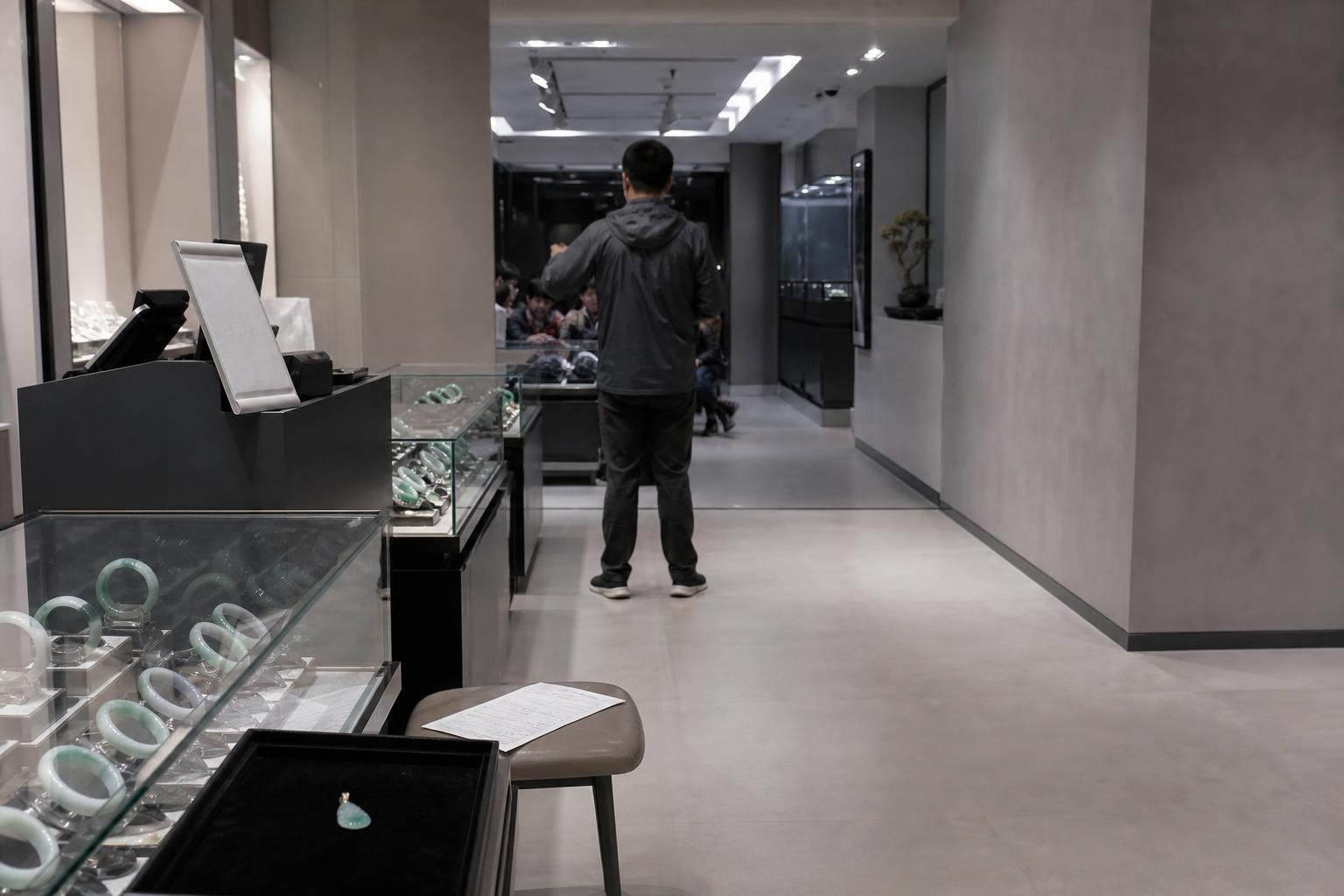
Hong Kong's Travel Industry Authority revoked the licences of two travel agencies and one tour guide this month, finding they had steered mainland Chinese tour groups into shops that paid kickbacks for captive customers. The mechanism is old and specific: a itinerary sold as sightseeing quietly becomes a sequence of retail stops, and the guide's income depends on what the group buys, not what it sees.
The commission is built into the fare before the flight lands
A tourist from Guangzhou or Shenzhen books what looks like a HK$1,200 (about $154) three-day package — flights and hotel included, suspiciously cheap for Hong Kong's room rates, which averaged HK$1,450 ($186) a night in 2025 according to the city's Tourism Board. The gap between that price and the real cost of the trip is filled by commission from jewellery counters, traditional medicine shops and jade dealers who pay tour operators for delivered footfall. The guide's cut can run into the thousands of Hong Kong dollars per group, but only if enough of the group buys. Pressure follows naturally: raised voices, extended shop stops, itineraries quietly rewritten so a museum visit shrinks to make room for a "cultural product centre."
The two agencies stripped of licences this month were found to have done exactly this, according to the regulator's ruling — routing groups to stores with undisclosed commission arrangements and pressuring travellers who declined to buy. It is the same complaint the authority has processed for over a decade, since a wave of similar cases in 2010 led to the current licensing regime. What changed is enforcement reaching the agencies themselves, not just individual guides, who have historically absorbed the penalty while the companies that designed the incentive kept operating.
The victim is rarely the tourist who complains loudest
The travellers caught in coerced shopping are disproportionately first-time visitors from smaller Chinese cities, booking through package operators because they don't speak Cantonese and don't know Hong Kong's retail geography. A traveller from Chengdu paying HK$4,500 ($577) for a group tour has little leverage inside a store when a guide implies the bus won't leave until purchase quotas are met. Complaints to the Travel Industry Authority run into the hundreds annually — the regulator logged 312 shopping-related complaints in 2024 — but the travellers who complain are a fraction of those who simply overpay and go home quiet, since filing a complaint from mainland China after the fact requires documentation most tourists never think to keep.
Hong Kong tried self-regulation once. It didn't hold.
The Travel Industry Council, an industry body, ran licensing and discipline until 2021, when the government replaced it with the statutory Travel Industry Authority — a direct admission that an association funded by travel agencies couldn't credibly police travel agencies. The council had suspended guides before, but rarely touched the agencies structuring the commission deals, since agencies were also council members paying its dues.
The pattern dates back further than the regulatory history suggests. Coerced-shopping tours attached to mainland package travel became common after 2003, when Beijing loosened individual and group travel rules to Hong Kong following the SARS outbreak, sending arrivals from roughly 8 million in 2002 to over 28 million by 2010. Cheap or "zero-fare" package tours — where the nominal price barely covers airfare — became the dominant model for lower-income mainland visitors, and the shopping-commission economy grew alongside it. Every crackdown since has targeted the same handful of product categories: jewellery, watches, and traditional medicine, the three where markups are steep enough to fund a meaningful commission.
The catch: revoking a licence doesn't touch the buyer paying the commission
The shops that pay tour operators for footfall are not licensed by the Travel Industry Authority at all — they're retail businesses regulated, if at all, under Hong Kong's general consumer protection law, which doesn't address tour-related kickback arrangements directly. Strip an agency's licence and its principals can, and often do, open a new company under a different name and re-enter the same commission relationships with the same shops. The regulator has no power to bar the retail side of the arrangement, only the travel-industry side, which means the enforcement action removes one link in a chain that has two.
What the story leaves open
Whether the Travel Industry Authority can move fast enough to catch the successor company before it starts operating is untested — there's no published data yet on how many revoked operators resurface under new registration within a year. Hong Kong's government has floated tighter beneficial-ownership disclosure for travel agencies, but no bill has been tabled.
Is it safe to book a cheap Hong Kong package tour?
It's legal and the coerced-shopping problem is now concentrated in a known subset of ultra-low-cost mainland group packages; independent travel and mid-range tours rarely encounter it.
What should a traveller do if pressured to buy?
Decline, keep receipts and itineraries, and file a complaint with the Travel Industry Authority within Hong Kong before departing, since post-trip complaints from abroad are harder to substantiate.